

Can you imagine life without the internet today? If so, it would be something like being a modern-day Robinson Crusoe, only surrounded by people. Most systems, from banking, driving a car, and climate control in our homes to energy infrastructure, are entirely reliant on the internet.
As one of the largest cities in the US, Houston has traveled a long and significant road in developing its internet infrastructure. From its first tentative steps in the 1990s to today’s lightning-fast networks, the city has become a prime example of digital evolution. Below, we’ll explore this development process on houston-future.com.
The Dawn of the Digital Age
It all began back in 1995. While the internet certainly existed before then, this year serves as a crucial starting point because it marked the beginning of the internet’s mass adoption. What drove this digital boom? None other than a local newspaper, The Houston Chronicle. This paper became one of the first in the US to offer daily online news, making Houston one of the first American cities with two daily online publications (alongside another publication). The Houston Chronicle was a true pioneer in using the internet as a news distribution channel.
Despite financial hurdles, this move showcased the internet’s immense potential as a new media platform. Although the news websites of that era were visually basic, they unlocked the possibilities for rapid information exchange. Houston saw the first residential connections appear, mainly through modem dial-up service. At the time, it was a luxury. The connection costs were high, and the data transfer speeds were agonizingly slow. Yet, Houston residents were already getting a taste of the new, interconnected world.
Infrastructure Takes Off
From there, things took off at “space-age speed.” Feeling the clear advantages of this new communication method, more and more citizens joined the internet community. Media heavyweights also smelled the opportunity—missing out would have been practically professional suicide. Thus began the painstaking work of network expansion.
The Early 2000s
The new millennium started with the internet firmly planted in Houston. However, this luxury was largely accessible only to those who could afford the relatively high monthly subscription fees. There was another major inconvenience: like many US cities, Houston was dominated by dial-up access. This method connected users via phone lines, meaning you couldn’t use the phone and the internet at the same time. This was highly impractical. As a result, providers actively searched for new data transmission methods, leading to the rapid development of broadband technologies that could finally solve the problem.
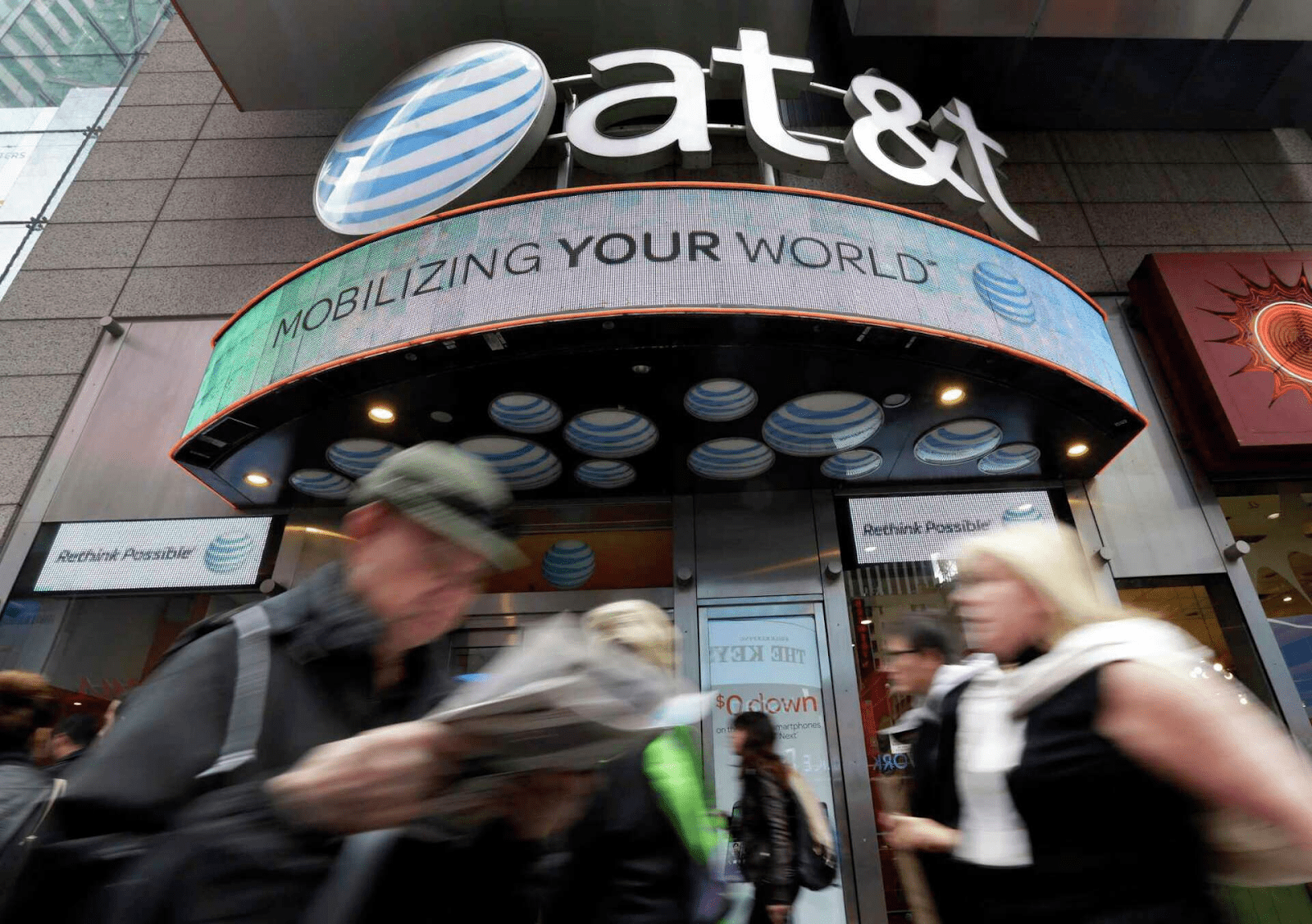
Telecommunications giants like AT&T (then Southwestern Bell) and Comcast were among the leading providers in Houston, setting the pace for the industry. Still, over 50 provider companies were operating in Houston in the early 2000s. This intense competition helped drive down the cost of internet subscriptions and also promoted broader coverage, as each company sought to develop its own independent network rather than relying on a competitor’s infrastructure.
By the end of the first decade of the 21st century, Houston was virtually blanketed with internet coverage. The main challenge left was speed. Providers quickly sought solutions to boost it, and the answer arrived: fiber-optic technology. This dramatically increased data transfer rates. By late 2007, Houston boasted over 3 million active internet users.
The 2010s: A Decade of Speed
The number of active internet users was increasing exponentially, ensuring a full workload for providers. Key developments during this period included:
- The aggressive rollout of Fiber-to-the-Home (FTTH) networks to boost internet speed.
- Heightened competition between cable and fiber-optic providers.
- The development of mobile internet with 4G LTE standards.
- Houston’s growing reputation as a technology hub, which attracted investment and nurtured the startup ecosystem.
- AT&T’s investment of nearly $1.25 billion to upgrade local networks.
- Support from the Texas state government for digital equity initiatives, aimed at ensuring internet access for schools, libraries, and social services.
During this decade, the internet became an indispensable part of the everyday life of the average Houstonian. But the development didn’t stop there. In 2015, AT&T launched its U-verse with GigaPower service in Houston, providing speeds up to 1 Gbps (Gigabit per second) for residents and businesses. This breakthrough made it possible to download large files in seconds and drastically improved the quality of video conferencing and online gaming. This massive leap spurred the introduction of new services like smart homes, distance learning, and telemedicine. Many companies began migrating their services online, and IT startups increasingly chose Houston as a convenient launchpad for growth.

The Early 2020s: The Great Leap Forward
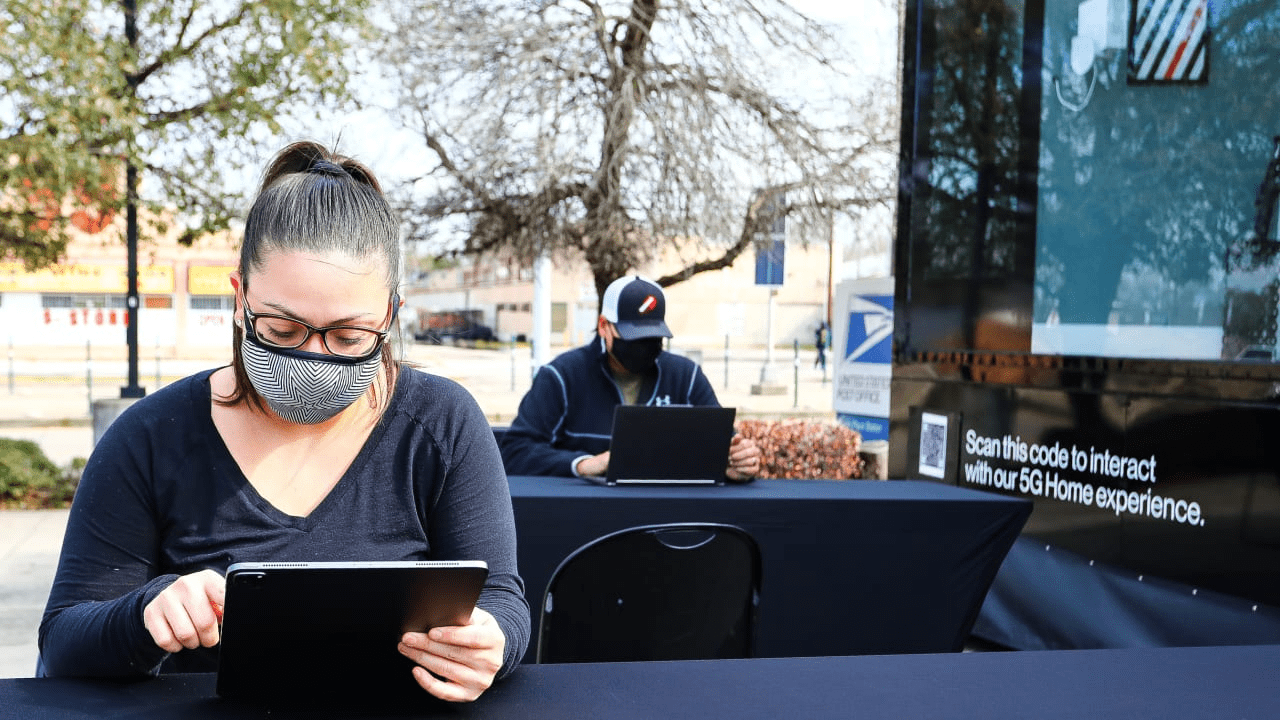
The 2020s marked a genuine breakthrough in the IT sector. Internet service providers continued to improve, taking fiber-optic network modernization to new heights. Mobile operators began deploying the next generation of networks: 5G. More Houston companies transitioned to cloud services, and remote work and online offices became commonplace, especially following the COVID-19 pandemic. Everyday residents enjoy seamless streaming video, and gamers can engage in online battles with rivals worldwide. The kind of things science fiction writers could only dream of became a 21st-century reality.
Houston Internet Development Timeline
| Year | Event | Impact |
| 1995 | The Houston Chronicle begins publishing daily online news | Kicked off the era of internet use for news media |
| 2003 | Expansion of broadband services in schools | Improved access to digital education |
| 2011-2013 | AT&T investments in network development | Expanded access to high-speed internet |
| 2015 | Launch of U-verse with GigaPower | Provided speeds up to 1 Gbps for users |
| 2021 | Start of municipal FTTH project | Ensured fast internet for residents and businesses through city-owned infrastructure |
| 2023 | City Wi-Fi deployed in parks and schools | Expanded internet coverage in public spaces |
Conclusion
Internet development isn’t slowing down. It seems like the limits have been reached, yet the bright minds of the industry continue to surprise the world. Data transmission speeds are increasing, and new gadgets and applications are emerging. Virtual reality is reaching such a high level that soon it will be hard to distinguish it from reality.
The history of the internet in Houston demonstrates how the city adapted to digital change. From the first online publications to today’s high-speed networks, Houston has become a model of successful digital transformation. Investments in infrastructure and local government initiatives have ensured that residents and businesses have access to quality internet, significantly contributing to the city’s continued development. The COVID-19 pandemic highlighted the crucial role of the internet in education and remote work. Year after year, the importance of digital technologies in medicine, education, transportation, and security only grows. Today, the internet in Houston is not just a communication channel—it’s the foundation for innovation, investment attraction, and an improved quality of life.