
In today’s world, technology is an inseparable part of everyday life, and its influence is tangible even within Houston’s cultural landscape. A city known for its energy innovations and space exploration is also becoming a hub for digital transformation in the arts. Tech innovations, from virtual reality to artificial intelligence, aren’t just complementing traditional art forms—they’re creating entirely new, interactive, and captivating experiences for audiences. Houston-future.com offers a detailed look at these developments.
Digital Tools: New Frontiers for Houston Artists
Digital tools are unlocking limitless possibilities for artists and creatives. Graphics tablets, specialized software, and 3D modeling allow artists to create works that were previously impossible. Houston artists are using these tools to experiment with new forms, textures, and colors. For instance, at the Glassell School of Art at the Museum of Fine Arts, Houston (MFAH), students and faculty are actively exploring how technology can enhance their creativity. You can see works here that blend traditional painting with digital projections, creating unique multimedia pieces.
Art That Reacts to the Viewer
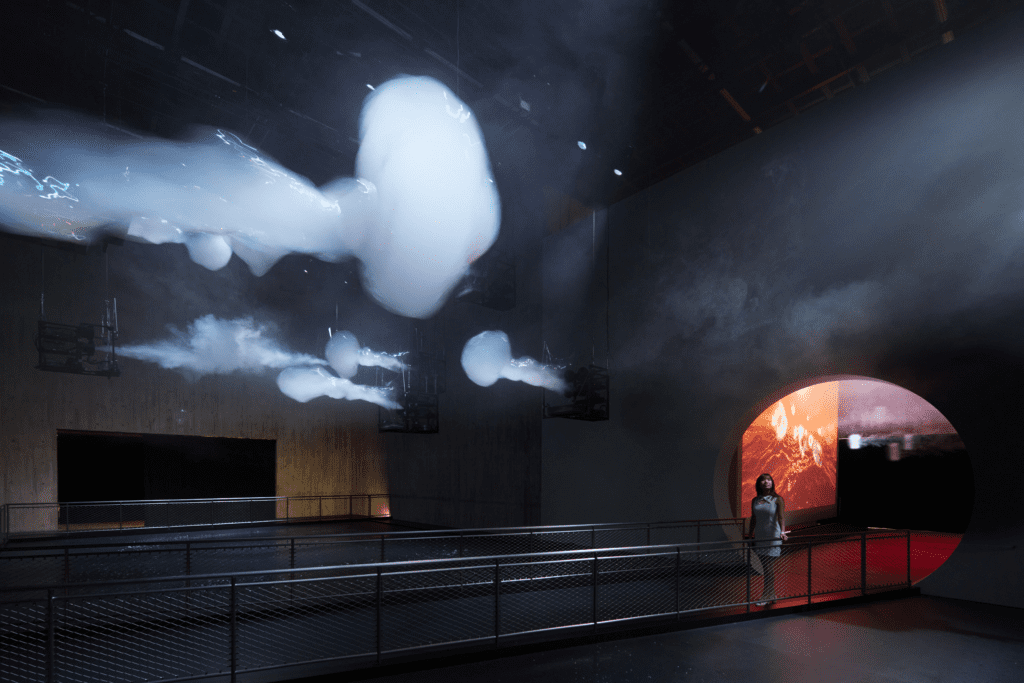
Interactive installations are changing the traditional perception of art, turning passive observers into active participants. This art doesn’t just “hang” on a wall or sit on a pedestal; it lives and breathes, reacting to a person’s presence. By integrating advanced technologies—from motion and heat sensors to projectors, sound systems, and even artificial intelligence algorithms—these works create a unique, personal experience for every visitor.
This approach makes art dynamic, allowing viewers to influence the form, sound, or light of an exhibition. In Houston, for example, you can find such exhibits in various locations. The Moody Center for the Arts at Rice University is one of the leading venues, frequently hosting exhibitions that break down the barriers between the viewer and the artwork. Visitors can interact with installations that respond to their movements, voice, or even their heartbeats, immersing the audience in a multi-sensory world where every step and sound has meaning.
Other examples of interactive art include:
- Touch-responsive installations: When you touch a surface, it might change color or emit sounds.
- Motion-responsive projections: Your shadow or silhouette can become part of a wall animation.
- Soundscapes: The sound in a space changes depending on how you move.
These installations are a great example of how technology is making art vibrant and dynamic, opening up new horizons for creativity and perception. Instead of just looking at a painting, you become a part of it.
Artificial Intelligence as a Co-creator
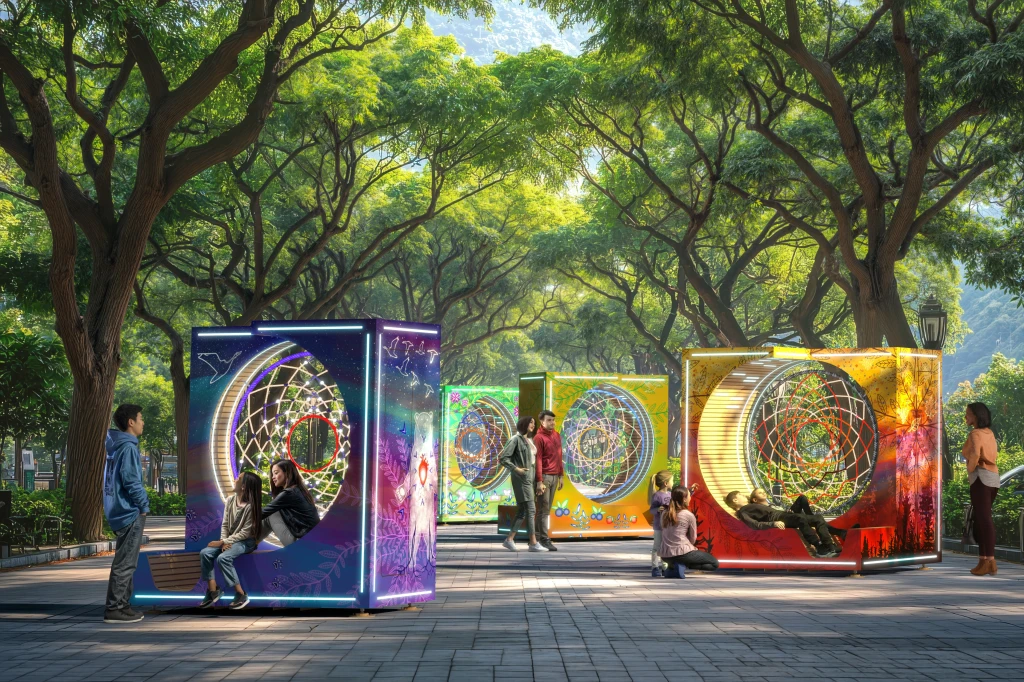
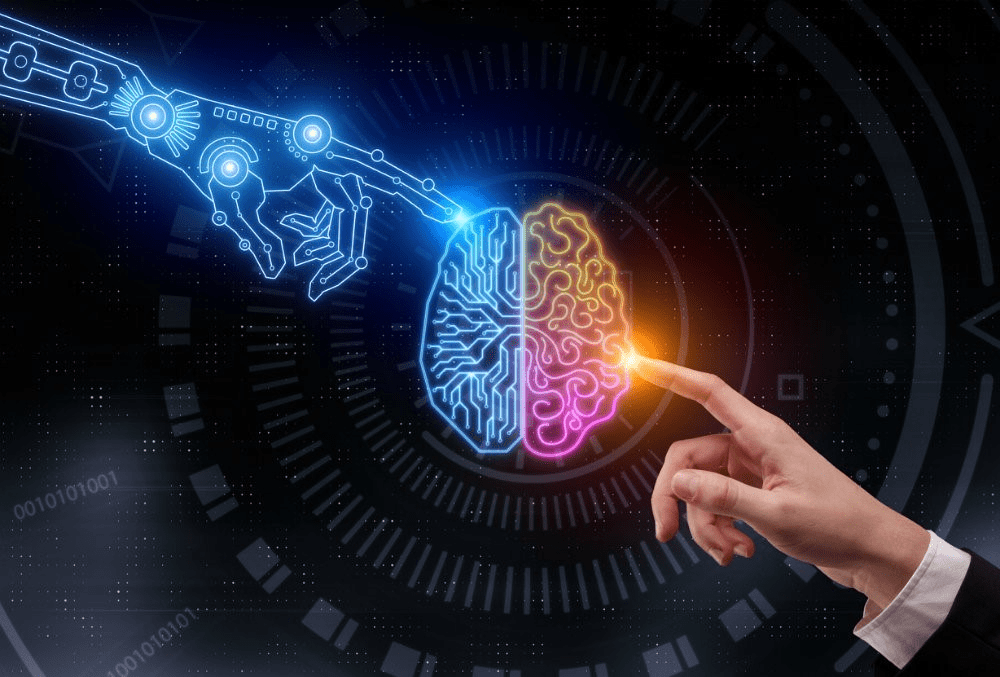
The most revolutionary development is the use of artificial intelligence in art. Machine learning algorithms can analyze and generate new works, mimicking the styles of famous masters or creating completely original pieces. AI is becoming not just an auxiliary tool but a full-fledged partner in the creative process. This trend is also gaining momentum in Houston. Local artists are collaborating with programmers and engineers to create unique AI-driven works.
In Houston galleries and cultural centers, you can see paintings created by AI algorithms that have analyzed the styles of well-known artists.
Some musicians in the city are experimenting with AI to create music, with the algorithm generating melodies and harmonies based on set parameters.
Houston tech startups are also developing software that allows anyone to create their own works of art using AI.
This trend sparks numerous discussions about authorship and the true value of art. However, it’s undeniable that it’s opening up new creative horizons, allowing artists to collaborate with technology to produce something extraordinary.
Cultural Democratization
Digitalization is also transforming how we consume art. Virtual galleries and online platforms provide access to exhibitions from anywhere in the world. This is especially relevant in situations where physical travel is limited. The Museum of Fine Arts, Houston, like many other institutions, is actively developing virtual tours that allow millions of people to enjoy their collections from the comfort of their homes. This expands cultural access and democratizes art, making it available to everyone, regardless of their geographical location.
Integrating Technology into Houston’s Cultural Life
Technology isn’t just serving creativity—it’s changing its very essence. It’s adding new dimensions, creating unique experiences, and making art more interactive and accessible. With its leading universities, tech companies, and a thriving cultural scene, Houston is becoming a hub where art and technology meet to shape the future of creativity.

