
Houston’s history is deeply intertwined with the story of alcohol, which has played a significant role in the city’s life since its founding. Even in its early days, when Houston was just a small settlement on the marshy banks of Buffalo Bayou, alcohol was an integral part of its social and economic fabric. From the raucous saloons of the Wild West era to the underground distilleries of the Prohibition years, alcohol’s path through the city has been long and complex. Let’s take a look back at this fascinating journey on houston-future.com.
The birth of the beer industry
In its first decades (the mid-19th century), Houston was known as a “den of vice.” Just two years after its founding in 1838, there were 47 establishments selling alcoholic beverages. This number was so high that in some Texas counties, more licenses were issued for selling alcohol than for all other types of businesses combined. Saloons were not just places to drink, they were also social hubs where politicians, businessmen, and everyday residents gathered. The most popular drink of that era was whiskey, sometimes called “American wine.”
The history of brewing in Houston began with the arrival of German immigrants. In 1849, Bavarian immigrant Peter Gabel opened the first known brewery. Others soon followed, though most didn’t last long. A pivotal moment came in 1893 with the founding of the Houston Ice and Brewing Company, which grew to become one of the largest in Texas. Its beer, Southern Select, gained international recognition.
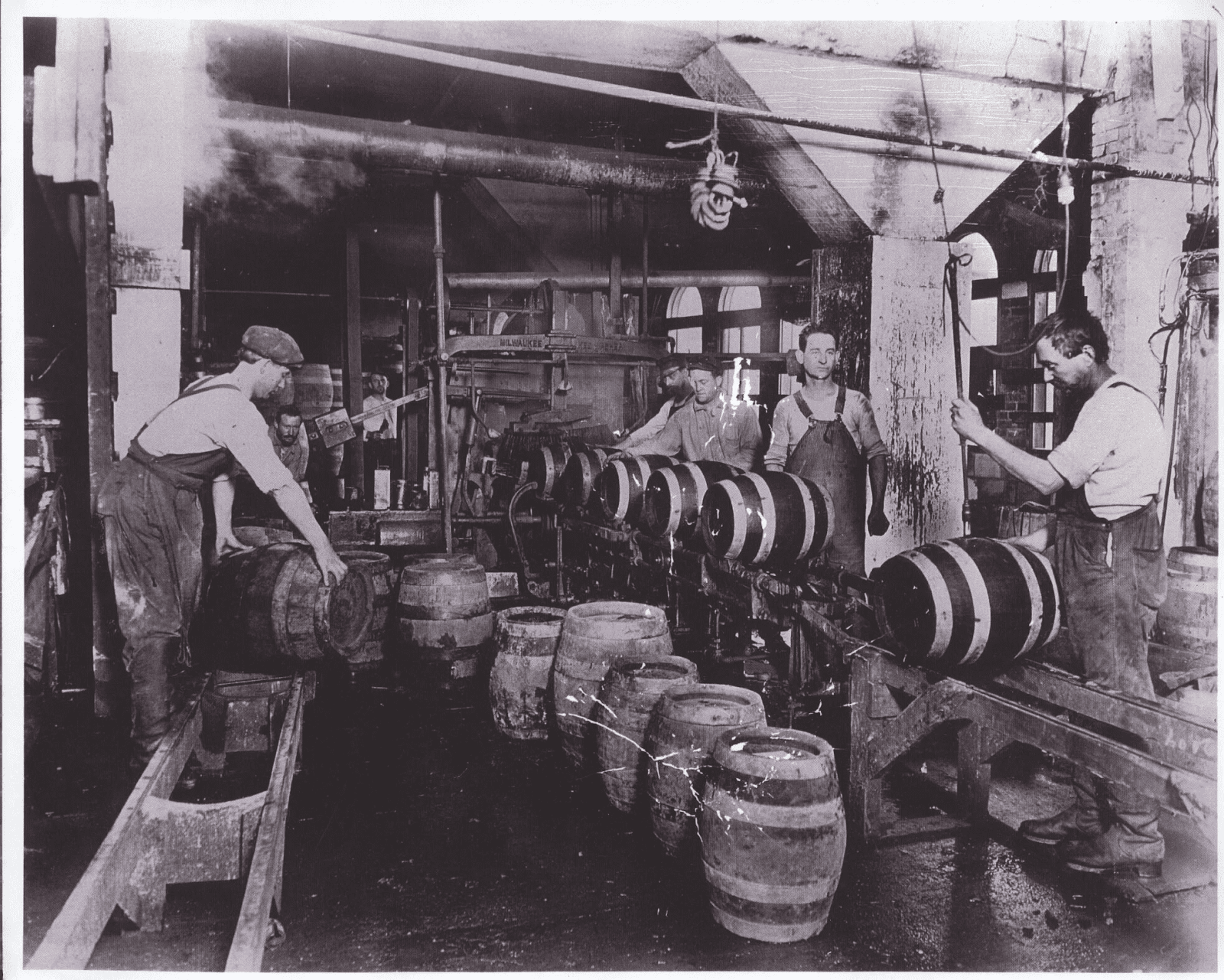
The Prohibition Era
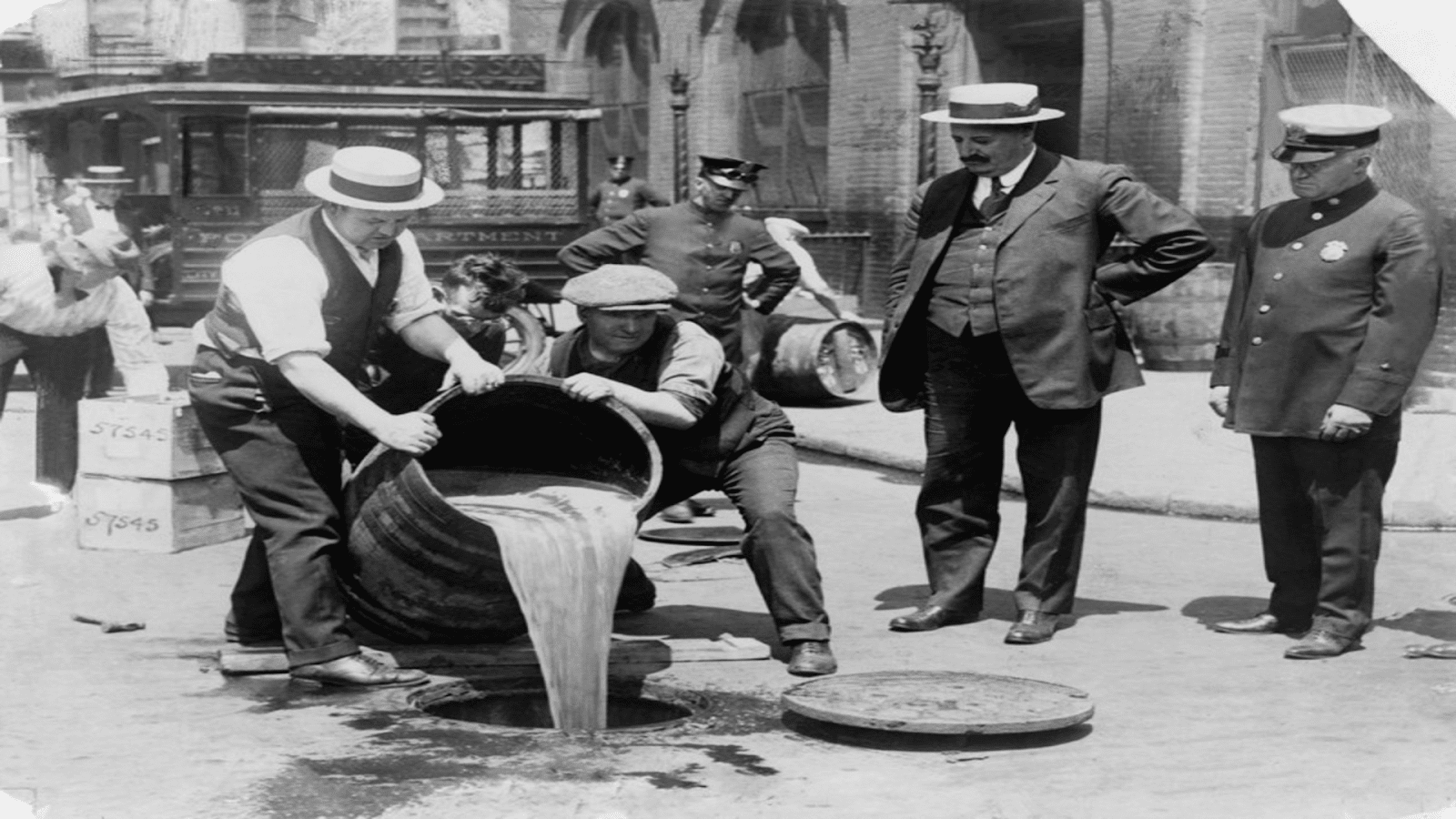
In the early 20th century, the temperance movement gained momentum, leading to the adoption of the 18th Amendment to the U.S. Constitution and the implementation of Prohibition (1920-1933). For Houston, as for many other major cities, this became a time of underground activity. Despite the official ban, alcohol consumption didn’t stop—it simply went into the shadows. This led to a boom in organized crime and the emergence of an entire industry of illegal alcohol production and distribution.
In Houston, clandestine bars known as “speakeasies” flourished. They often masqueraded as ordinary shops, cafes, or private clubs, and entry required a password. The city became a major hub for bootlegging, as its location near the Gulf of Mexico and the Mexican border made it an ideal spot for smuggling.
- Smuggling from Mexico: Bootleggers used hidden routes to move alcohol across the border into Houston. It was a lucrative but highly dangerous business.
- Maritime Black Market: Ships called “rum-runners” transported alcohol from the Caribbean and Mexico, unloading their cargo off the Texas coast.
- Moonshining: In urban areas and on farms, the illegal production of “moonshine” flourished. This homemade, high-proof liquor was often of poor quality and could be dangerous to drink.
Prohibition also fueled an intense struggle between law enforcement and the organized crime groups that controlled the alcohol market.
Economic Fallout and Howard Hughes
While Prohibition aimed to improve societal morality, it also dealt a significant blow to the economy. The closure of breweries, distilleries, and bars led to job losses and a drop in tax revenue. However, some entrepreneurs were already preparing for the ban’s repeal. One of them was the famous millionaire and innovator Howard Hughes.
In 1933, shortly before Prohibition was lifted, Hughes founded Gulf Brewing Co. in Houston. His company was one of the first in Texas to receive a permit to produce beer.
The company’s first product was Grand Prize beer. Thanks to Hughes’s investment and the beer’s high quality, it quickly became popular, becoming the best-selling beer in Texas for a time. This success was a clear example of how innovation and timely business decisions helped a company take a leading position in a market that was just beginning to revive after a long period of prohibition.
The repeal of Prohibition on December 5, 1933, marked the end of an era and revived the legal alcohol industry, which helped Houston’s economy recover and thrive. This period left a lasting mark on the city’s history, demonstrating how social and economic forces influence everyday life.
The Craft Revolution
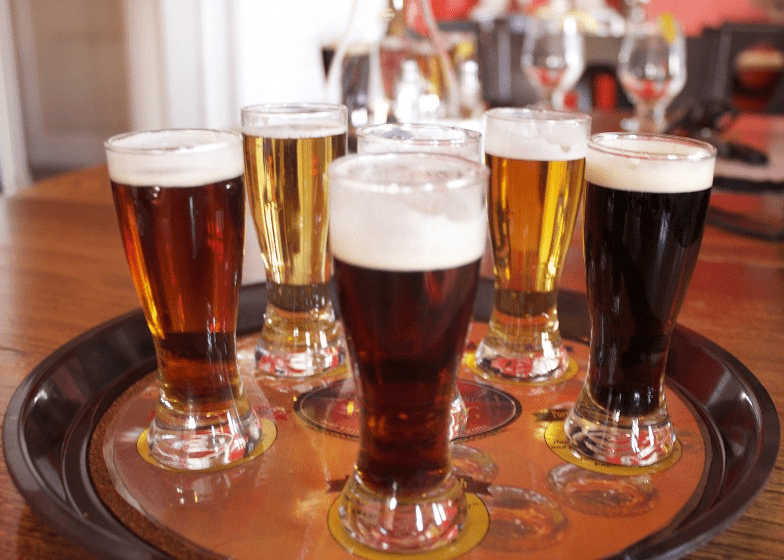
The industry began a slow recovery after the end of Prohibition in 1933 and the return of legal alcohol sales in Texas in 1935. However, for decades, the market was dominated by large national brands. The true revival of brewing culture began only in the 1990s with the rise of craft breweries.
In 1994, Saint Arnold Brewing Company was founded, becoming the first craft brewery in Texas. Its success inspired many others, and today, Houston is a true hub for craft brewing, with dozens of breweries offering unique beers. The city’s bar scene also thrives, with everything from traditional Irish pubs to exclusive cocktail lounges that showcase bold innovations in mixology.
Thus, the history of alcohol in Houston reflects the evolution of the city itself: from a wild frontier to a modern and diverse metropolis.

