

Houston, traditionally associated with science, energy, and space, is increasingly making a name for itself in the realm of digital creativity. Specifically, the video game industry in the city is growing rapidly, showcasing a blend of engineering precision and a creative approach. We’ll explore the rise, challenges, and prospects of Houston’s gaming sector next on houston-future.com.
The First Steps
The era of the Houston gaming industry traces its roots back to the 1990s. It all began in local educational institutions, where the first digital graphics initiatives started in technical colleges. During those times, developers banded together in small studios, working on simple 2D projects. They had minimal budgets but vast ambition. These initiatives and the enthusiasm of the pioneers in this field were not centralized and didn’t form a separate “gaming industry” as such. However, these early studios laid the foundation for the gaming sector’s development.
A significant factor in the growth of the gaming industry in Houston was the city’s developed engineering and technological infrastructure. This was supported by computer developments related to the NASA center and the energy sector. The technological advances from these two cutting-edge giants in computerization created the preconditions for the growth of programming and video game creation. Despite all this, these were only the first steps in the field; mostly, developers were creating the groundwork for the industry to follow.

Infrastructure Development
The situation began to change rapidly at the start of the 21st century. The global community of video game enthusiasts was growing exponentially, requiring the gaming universe to generate new developments. This applied to everything, from the game’s storyline to its graphical design. Demand generated supply. In the 2000s, specialized educational programs dedicated to GameDev began to emerge in Houston.
Institutions like the University of Houston began offering courses in game creation, 3D modeling, and programming. This served as a catalyst for the formation of a professional environment. Simultaneously, co-working spaces and incubators emerged where young teams could test ideas, and their numbers increased every year.
This was not only exciting but also financially rewarding. Every new game brought creators not only recognition but also high profits.
Companies began to form with relatively large staff teams. If, in the early ’90s, game creators were writers, graphic artists, and programmers all in one, by the 2000s, each area was handled by a single specialist or even a team of experts. Through this process of development, or natural selection, companies emerged that were focused on the serious business of video game creation.
Companies Shaping the Market
Dozens of companies are now engaged in game development in Houston. Among the most well-known are:
- Bitswits – A highly-rated studio known for its mobile games and creative approach.
- TekRevol – A large company working with games, applications, and AR/VR.
- Software Pro – An active participant in the mobile game and cross-platform solutions market.
- Octal Digital – A studio combining game development with marketing and animation.
These companies don’t just create games; they also collaborate with educational institutions, host conferences, and organize game jams.
Education and Talent
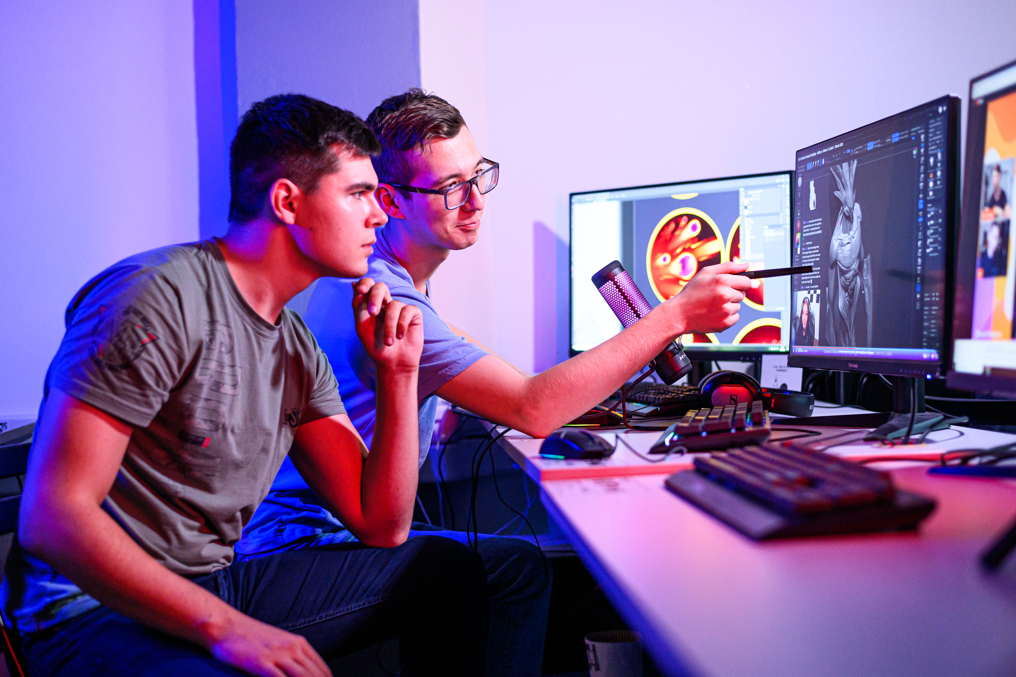
One of Houston’s main advantages is the large number of technical specialists available. Universities graduate thousands of IT professionals every year, and a significant portion of these skilled individuals enter the gaming sector. Students have the opportunity to intern at local studios and participate in international projects.
In addition to formal education, local communities and organizations like IGDA Houston (International Game Developers Association) promote knowledge sharing, networking, and professional development in the gaming industry.
Challenges and Prospects
Houston’s gaming industry is still in a developing phase. While it is certainly growing, its position is far from the industry’s leaders. Although not as mature as in other major US cities, Houston’s gaming industry has a unique set of challenges and opportunities. The situation can be improved, but a number of problems must be overcome.
- Limited Established Ecosystem. Compared to centers like Austin or regions in California and Washington, Houston has a smaller ecosystem of major game development studios and associated infrastructure. This can make it harder for local talent to find jobs and for startups to attract funding and mentorship.
- Talent Drain. A problem faced by Houston’s technology and creative sectors generally is that talented game development professionals may be drawn to more established gaming hubs due to a greater number of opportunities and higher salaries.
- Funding and Investment. The Houston gaming sector receives less investment compared to other US cities. Attracting funding and other forms of investment specifically for game development startups in Houston is more difficult compared to regions with a more substantial track record in the field.
- Recognition and Awareness. Houston’s gaming industry does not have the same level of national and international recognition as some other hubs. This trend impacts its ability to attract top talent, investment, and partnerships.
- Competition for Talent. Global demand for skilled game developers has been, and remains, high since the industry’s inception. Studios based in Houston must compete with companies worldwide to attract and retain qualified specialists.
- Need for Stronger Community and Networking. While organizations like IGDA Houston exist, further development of a cohesive and active local game developer community is crucial for growth and collaboration.
- Balance Between Esports and Game Development. Houston has been represented in esports, with the Houston Outlaws team notably competing in the Overwatch League. Increasing the number of teams representing Houston in this field would enhance the connection and synergy between the esports scene and the game development sector. Growth in technological investment and the overall talent pool can benefit the gaming sector.
The gaming industry in Houston faces challenges related to its relatively smaller size and less-established ecosystem compared to major hubs. However, the city’s growing tech sector, educational initiatives, lower cost of living, and significant unrealized potential offer promising prospects for future growth in this dynamic and expanding industry. Strategic investment, community building, and sustained support for educational programs will be critical to realizing this potential.
Overall, challenges hindering further growth are evident in Houston. To overcome them, it is essential to attract more investment, support startups, and create a favorable environment for the development of gaming companies. One of the city’s achievements in the gaming sphere is education, which makes a significant contribution to training personnel for the gaming industry by offering diverse training programs. With growing interest in GameDev and the development of technology, we can expect this sector in the region to continue its upward trajectory.

Top 10 Gaming Companies in Houston
Based on the GoodFirms website, we have compiled a table of the best game developers, according to gamer reviews.
| No. | Company | Rating | Year Founded | Employee Count | Price/Hour | Game Share |
| 1 | Software Pro | 5.0 | 2015 | 50–249 | $25–$49 | 15% |
| 2 | Bitswits | 5.0 | 2010 | 50–249 | $25–$49 | 25% |
| 3 | lTekRevo | 5.0 | 2018 | 250–999 | $25–$49 | 20% |
| 4 | App Maisters Inc | 4.9 | 2014 | 10–49 | $50–$99 | 5% |
| 5 | Octal Digital | 4.8 | 2014 | 10–49 | $50–$99 | 10% |
| 6 | BMC Software | 4.7 | 2020 | 250–999 | $50–$99 | 5% |
| 7 | Ayokay | 4.6 | 2011 | 10–49 | $50–$99 | 5% |
| 8 | Xtreme Website Designs | 4.5 | 2013 | 10–49 | $25–$49 | 10% |
| 9 | Utegration LLC | 4.4 | 2008 | 250–999 | $50–$99 | 5% |
| 10 | Oaperg | 4.3 | 2016 | 10–49 | $25–$49 | 5% |
Conclusion
Houston’s gaming industry is in an active phase of growth, combining creativity, engineering, business, and education. While the city may not yet rival Los Angeles or Austin in production volume, it is quickly catching up. In the coming years, Houston has every chance to become a new center for digital GameDev in the Southern US. The key to success – supporting young teams, attracting investment, and maintaining an openness to innovation.