

Houston homeowners know how quickly indoor temperatures can become uncomfortable during a Texas summer. Even when the air conditioner runs throughout the day, upstairs bedrooms may remain warm, cooling cycles may become longer, and electricity bills may continue climbing. In some homes, the underlying problem is not the HVAC equipment itself but the condition of the attic.
An attic is an important part of a home’s thermal envelope. It separates conditioned living spaces from the roof, where temperatures can rise significantly under direct sunlight. When insulation is insufficient, unevenly distributed, or damaged, heat moves more easily into the living areas. This is why properly planned attic insulation Houston improvements can make a meaningful difference in residential comfort and overall building performance.
However, adding more insulation is not always the complete answer. Homeowners should understand how insulation, air sealing, and ventilation work together before investing in an attic upgrade.
How Houston’s Climate Affects Attic Insulation Performance
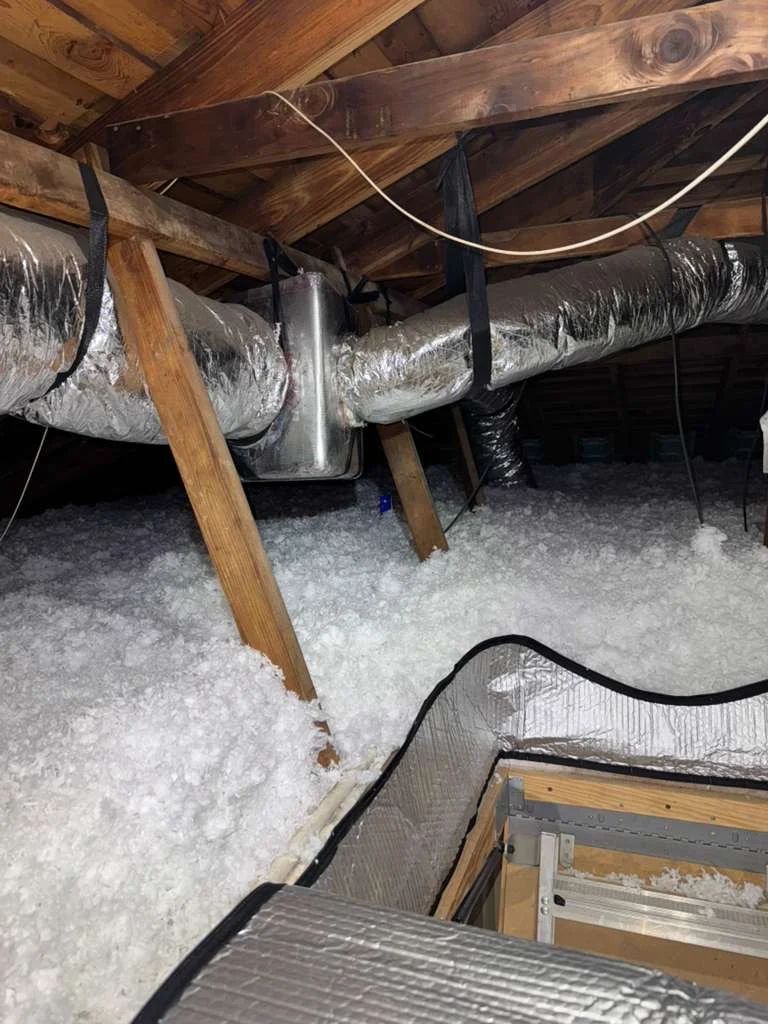
Houston has a humid subtropical climate, characterized by long, hot summers, considerable humidity, and relatively mild winters. These conditions place particular demands on residential insulation systems.
During summer, sunlight heats the roof surface, transferring heat into the attic. Without an effective insulation layer, some of that heat passes through the attic floor into the rooms below. The effect can be especially noticeable in two-story homes, where upper-level rooms are closer to the roof and may have greater exposure to attic heat.
Humidity creates another consideration. Warm, moisture-laden outdoor air can enter attic spaces through unintended openings. If that air encounters cooler surfaces under the wrong conditions, condensation may develop. Over time, persistent moisture can affect insulation performance, contribute to wood deterioration, and create conditions favorable to mold growth.
This does not mean every Houston attic has a moisture problem. Roof leaks, plumbing issues, air leakage, and ventilation deficiencies must be evaluated separately. The important point is that insulation should be considered as part of a complete building system rather than an isolated layer of material.
The Main Benefits of Proper Home Insulation in Houston
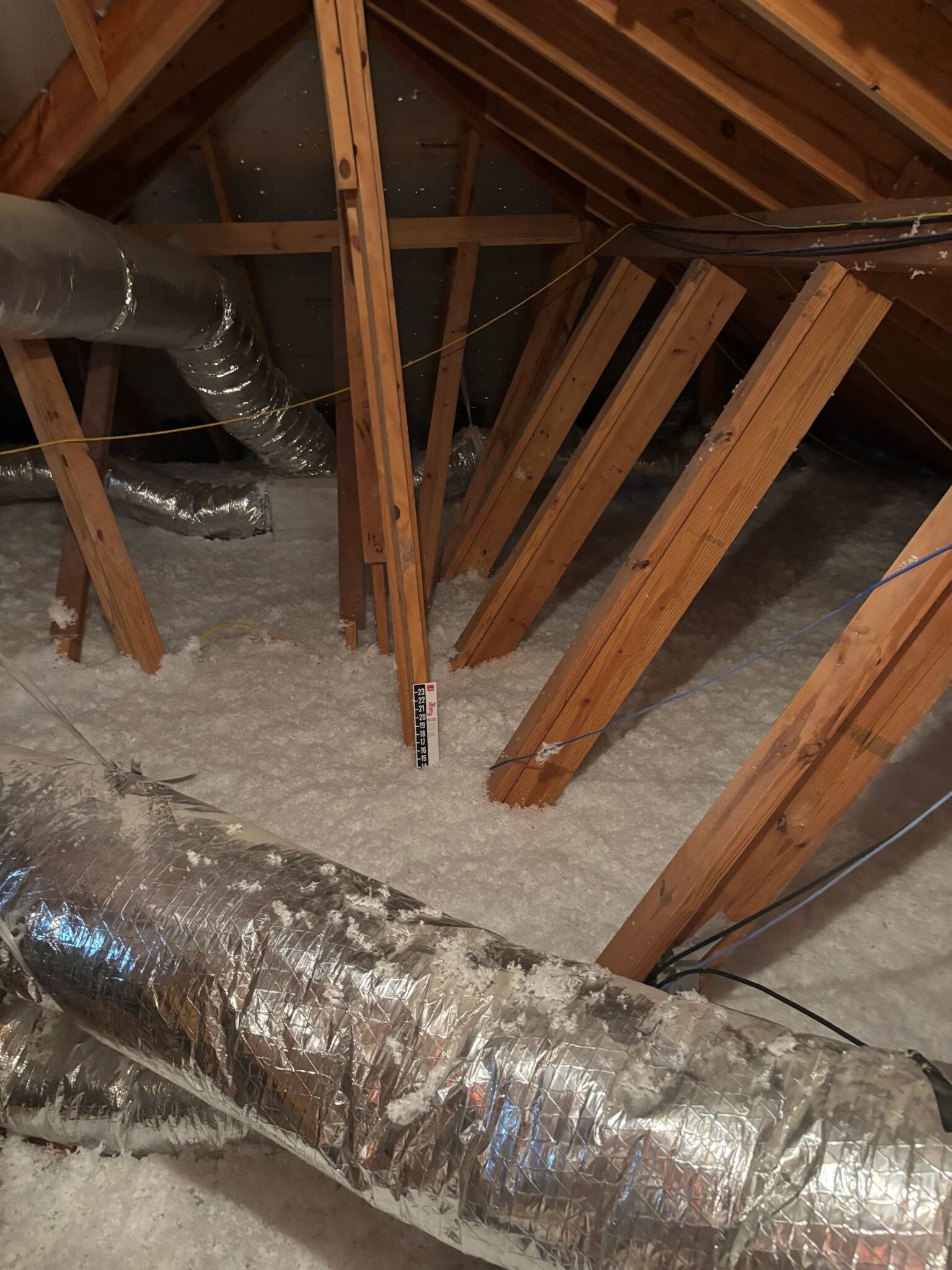
A properly insulated attic helps regulate heat transfer between the roof assembly and conditioned living areas. Its benefits extend beyond simply keeping a house cooler.
More consistent indoor temperatures: Adequate insulation reduces the rate at which heat enters the home during summer and escapes during cooler weather. This can help minimize temperature differences between rooms and floors.
Reduced HVAC workload: When less unwanted heat enters the living space, the cooling system has less heat to remove. This may reduce unnecessary operating demand, although actual results depend on equipment condition, duct performance, air leakage, and household usage.
Improved energy efficiency: A well-designed insulation system helps the home retain conditioned air and maintain more stable indoor temperatures. This can support more efficient heating and cooling operation.
Better year-round comfort: Although Houston is known for its summer heat, insulation also slows heat loss during occasional winter cold spells. A properly insulated home is less sensitive to outdoor temperature fluctuations.
Long-term property protection: Addressing moisture problems, damaged insulation, and uncontrolled air leakage can help protect attic materials and other building components from avoidable deterioration.
These benefits depend on the condition of the entire attic assembly. Simply covering old insulation with a new layer will not resolve an active roof leak, contaminated material, or major air leakage problem.
How Houston Attic Insulation Services Address Common Problems
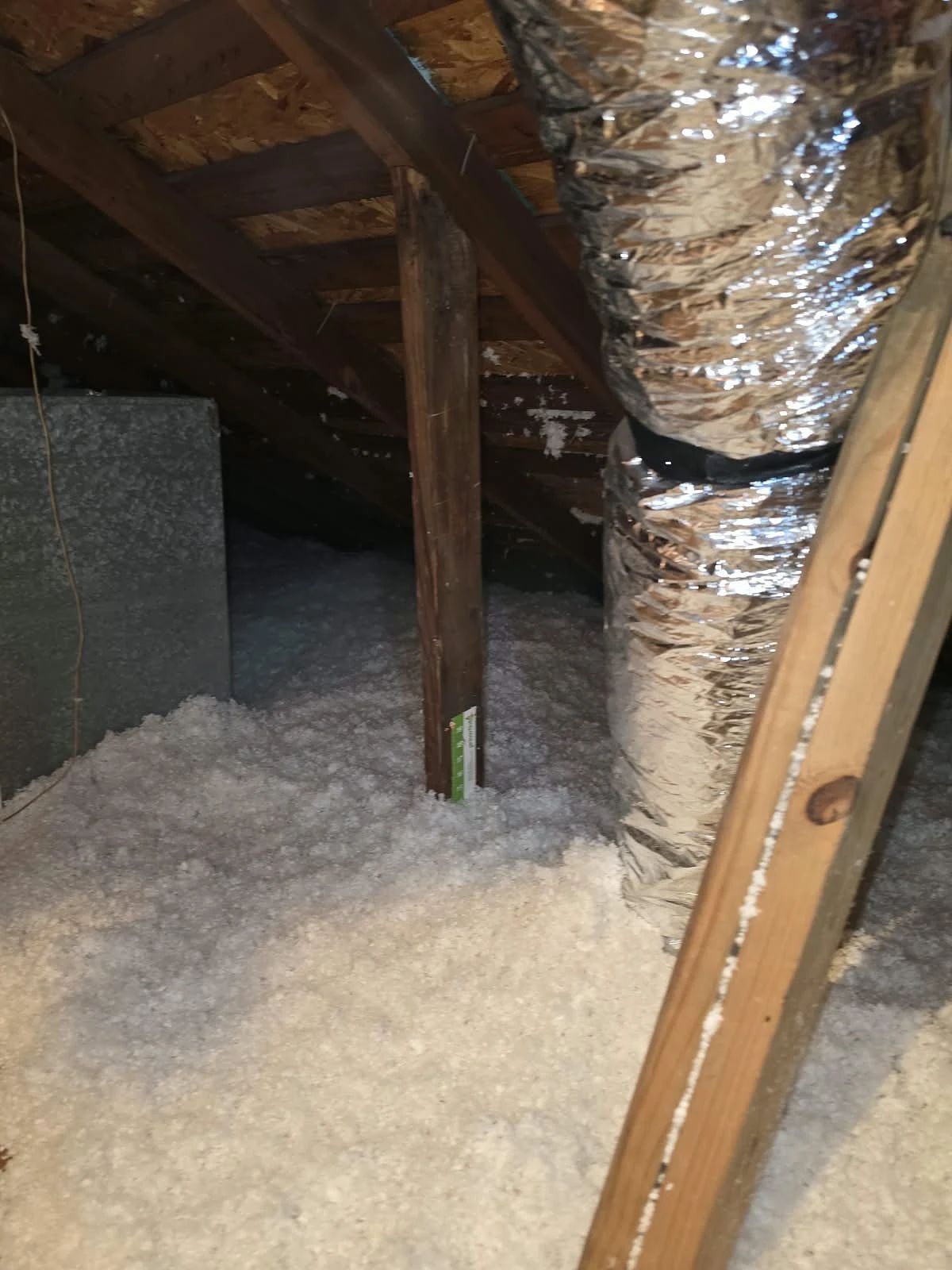
An effective attic improvement project should begin with an assessment of existing conditions. The appropriate solution depends on the insulation material, its depth and distribution, the attic’s accessibility, and any underlying building defects.
One commonly used option for residential properties is blown-in fiberglass insulation. This material is mechanically distributed across the attic floor, making it particularly useful for covering irregular areas and filling around framing members. It can also be used to increase the depth of an existing insulation layer when that material is clean, dry, and in suitable condition.
Before installation, several factors deserve attention:
- Existing insulation condition: Determine whether the material is dry, evenly distributed, and free from significant contamination or deterioration.
- Air leakage: Inspect openings around plumbing penetrations, electrical wiring, ceiling fixtures, attic access points, and other gaps that connect the living space with the attic.
- R-value: Evaluate the existing insulation level and determine whether additional material is needed to meet an appropriate thermal resistance target.
- Ventilation: Check whether the attic has properly functioning intake and exhaust ventilation where the roof design requires it.
- Moisture sources: Identify roof leaks, plumbing problems, or other conditions that could damage newly installed insulation.
The R-value measures a material’s resistance to heat flow. Higher R-values indicate greater insulating resistance. The appropriate target depends on climate zone, building characteristics, and applicable energy recommendations. Homeowners should avoid choosing insulation depth based solely on a contractor’s standard package without considering the existing assembly.
Air Sealing and Attic Ventilation: Why Insulation Alone Is Not Enough
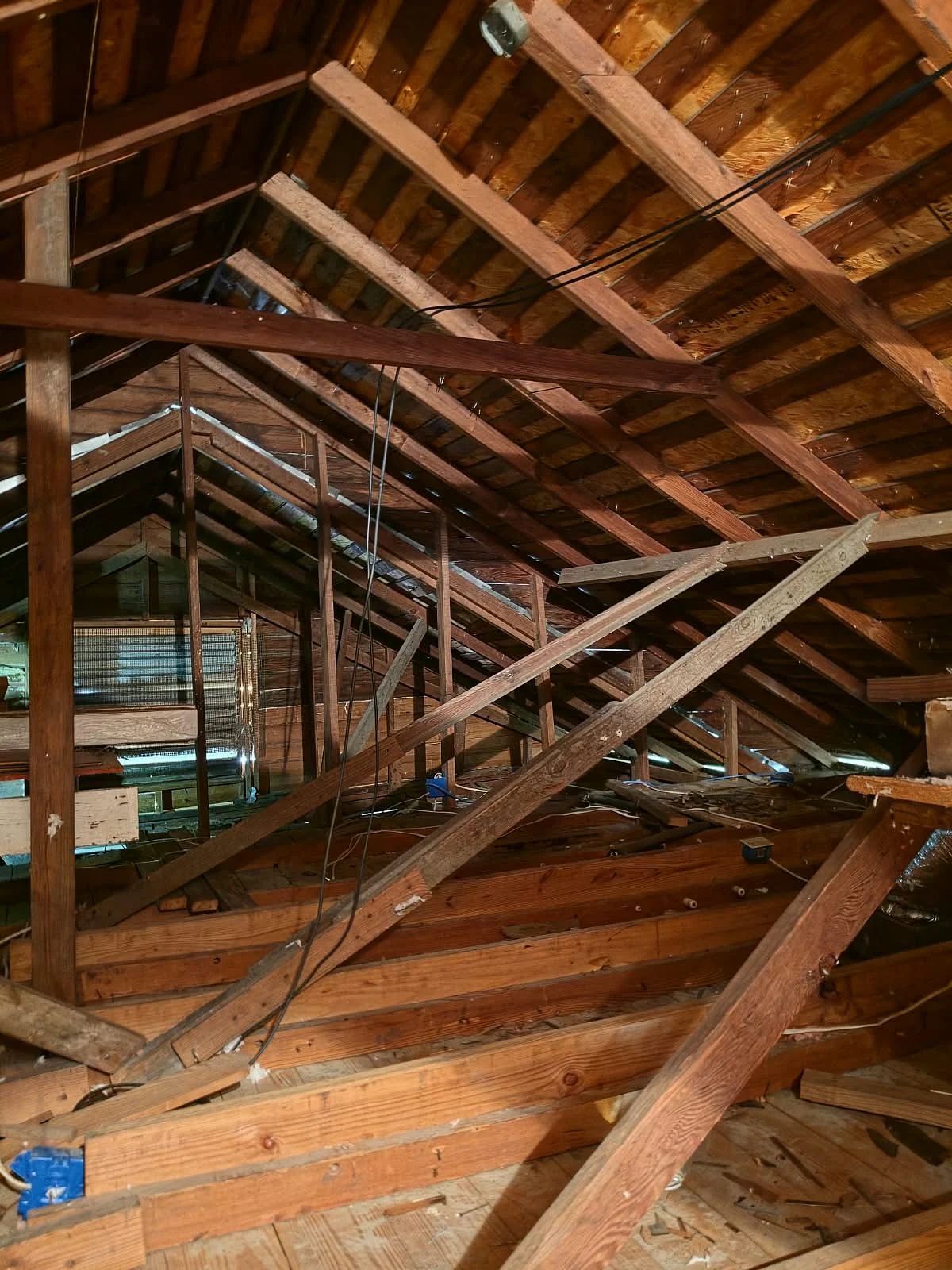
Insulation and air sealing perform different functions. Insulation slows conductive heat transfer, while air sealing limits the movement of air through gaps and openings in the building envelope.
This distinction matters in Houston homes. Even a thick insulation layer can deliver disappointing results if conditioned air escapes through ceiling penetrations or hot, humid air enters through uncontrolled pathways.
Air sealing commonly involves addressing gaps around recessed lights, plumbing penetrations, wiring openings, attic hatches, and top plates. Certain electrical fixtures and other components require appropriate clearances and approved sealing methods, so these areas should be handled according to safety requirements.
Attic ventilation serves a separate purpose. In a properly designed vented attic, intake and exhaust openings help move outdoor air through the attic space. This can assist with managing attic heat and moisture, but ventilation does not replace insulation or air sealing.
There is also an important detail that homeowners sometimes overlook: attic ventilation should be designed as a balanced system. Adding an exhaust fan without evaluating existing intake openings and airflow pathways may create unintended pressure differences. In some circumstances, this can draw conditioned air from the home into the attic.
A professional assessment should therefore consider the roof configuration, existing vents, insulation placement, and air leakage pathways together.
When Should Old Attic Insulation Be Removed?
Not every insulation upgrade requires removing the existing material. If insulation is dry, clean, and properly installed, adding another layer may be a reasonable option.
However, removal may be necessary when the material has been affected by significant moisture, pest contamination, roof leaks, or other damage. Insulation that has become compressed, displaced, or contaminated may no longer provide the intended performance and can conceal problems that need attention.
Homeowners should pay particular attention to these warning signs:
- Persistent musty odors coming from the attic or upper floors.
- Visible water stains, roof leaks, or damp insulation.
- Evidence of rodents, insects, nesting materials, or droppings.
- Uneven insulation coverage or large areas where the attic floor is exposed.
- Noticeable temperature differences between rooms despite normal HVAC operation.
Removing insulation without identifying the original cause of damage is rarely a complete solution. For example, replacing moisture-affected fiberglass without repairing a roof leak simply creates an opportunity for the new material to suffer the same problem.
The removal process should also account for appropriate protective equipment, dust control, and safe handling of potentially contaminated materials.
What Determines the Cost of an Attic Insulation Upgrade?
The cost of home insulation in Houston varies according to the property’s characteristics and the amount of work required. Two houses with similar square footage may need very different solutions depending on their attic layouts and existing insulation conditions.
Important pricing factors include attic accessibility, total insulated area, existing insulation depth, selected material, and the amount of air sealing required. Additional expenses may arise when damaged insulation must be removed or moisture-related problems need to be corrected before installation.
It is also important to compare estimates based on more than the final price. A useful proposal should identify:
- The insulation material and intended R-value.
- Whether existing insulation will remain or be removed.
- The preparation and air-sealing work included.
- Any ventilation improvements or repairs being recommended.
- The total project scope and any additional charges.
Homeowners should be cautious about estimates that promise specific energy-bill reductions without evaluating the property. Actual savings depend on several factors, including insulation conditions, HVAC efficiency, air leakage, thermostat settings, and household behavior.
Making the Right Insulation Decision for a Houston Home
A successful attic improvement project begins with understanding why the existing system is underperforming. In Houston, high outdoor temperatures, seasonal humidity, and extended cooling demand make attic conditions particularly important to residential comfort.
The most effective solution may involve adding blown-in fiberglass, removing damaged insulation, sealing air leaks, correcting ventilation problems, or combining several improvements. The right approach depends on what an inspection reveals.
EZ Home Solutions provides residential attic insulation and related services in the Greater Houston area, including insulation installation, removal, and attic improvements. An on-site assessment can help homeowners identify existing problems and determine which upgrades are actually necessary.
Proper attic insulation is not simply about installing more material. It is about creating a well-functioning thermal boundary that works with the home’s air-sealing and ventilation systems. Taking the time to evaluate these components before starting a project helps homeowners make informed decisions, avoid unnecessary expenses, and improve the long-term performance of their properties.
EZ Home Solutions
Address: 4801 Woodway Dr #205W, Houston, TX 77056
Phone: +1 (346) 463-6543
Website: https://homesolutionsez.com/