
Known as the “Bayou City” for its sprawling network of slow-moving rivers and tributaries, Houston sits on a flat coastal plain dominated by heavy clay soil that absorbs little moisture. Combined with tropical storms and destructive hurricanes, this geographic quirk makes the Texas metropolis one of the most flood-vulnerable regions in the United States.
In 2017, the catastrophic impact of Hurricane Harvey proved that conventional concrete channels and detention basins can no longer handle unprecedented deluges. This realization prompted engineers, urban planners, and state officials to rethink flood defense entirely, pivoting from passive containment to intelligent water management. Below, houston-future.com explores the details of this ambitious overhaul.
The Digital Transformation of Hydraulic Infrastructure
Houston’s traditional hydraulic infrastructure, long battered by severe storms and flash floods, is undergoing a major digital modernization. Once-passive dams and sluice gates are being transformed into intelligent, high-tech systems capable of responding autonomously and in real time to shifting weather patterns.
Automated Monitoring and IoT Sensors
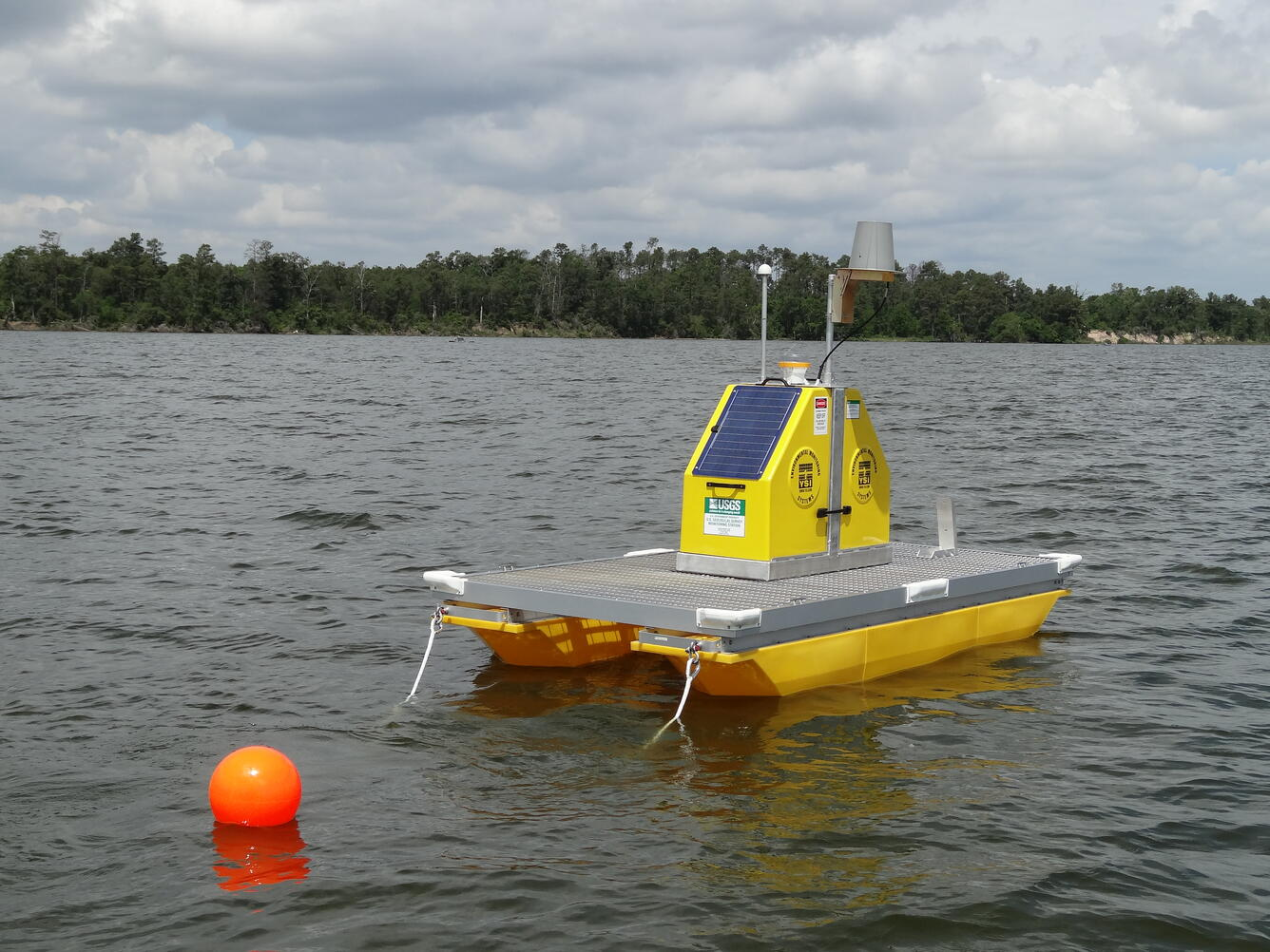
A dense network of autonomous Internet of Things (IoT) sensors has been deployed across the region’s primary waterways, bayous, and reservoirs. Operating around the clock, these devices track vital physical metrics: from subtle fluctuations in water levels and flow velocity to soil saturation and hydrostatic pressure on dam structures. The resulting Big Data streams are transmitted instantly over secure wireless channels to a central operations hub, producing a dynamic, real-time digital twin of the city’s drainage network.
AI-Driven Predictive Modeling
At the center of this infrastructure are machine learning and artificial intelligence algorithms that synthesize live sensor readings with satellite radar, tidal schedules, and hyper-local forecasts. Using predictive modeling, the system forecasts flood paths and neighborhood inundation risks hours before a storm reaches its peak. Armed with these simulations, AI automatically adjusts hydraulic gates, pumping stations, and spillways to divert surging waters, dramatically reducing the risk of catastrophic flooding.
By moving from passive defense to dynamic, intelligent management, Houston is establishing a new global benchmark for infrastructure resilience in an era of climate volatility. Merging IoT networks with predictive analytics allows the city to stay ahead of the weather, safeguarding lives and the regional economy.
Large-Scale Engineering: From the Addicks & Barker Reservoirs to Deep Drainage Tunnels
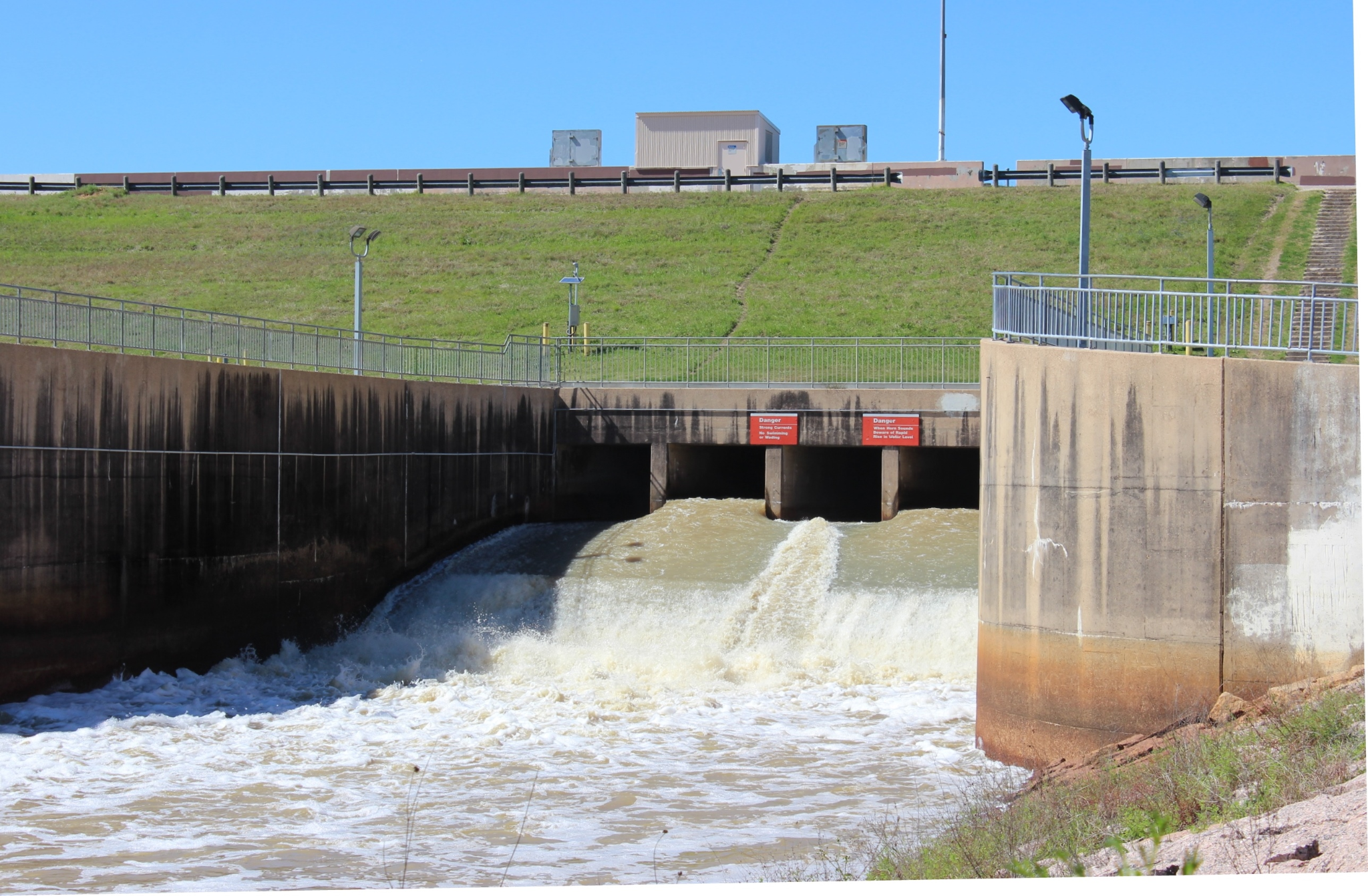
Houston’s engineering evolution demonstrates that protecting a modern metropolis requires a multi-layered approach. Combining historic storage reservoirs with cutting-edge drainage technologies and adaptable urban design creates a resilient shield against the most destructive tropical hurricanes. The city’s defense relies on both mid-century dams and high-capacity subterranean infrastructure. During intense downpours, the massive Addicks and Barker reservoirs hold back billions of gallons of water, keeping critical facilities and Downtown Houston from going under.
- Deep Underground Tunnels. Large-scale initiatives focus on constructing massive stormwater tunnels up to 8–10 meters in diameter, drilled more than 30 meters underground. These subterranean bypasses use gravity flow and high-capacity pumps to divert storm surges directly into the Houston Ship Channel and the Gulf of Mexico, steering clear of residential areas.
- Modernized Gates and Spillways. Aging dams and control structures have been retrofitted with modern electromechanical drives, redundant power grids, and backup generators. This ensures steady pressure relief and controlled releases, even during complete citywide power outages.
- Engineered Detention Basins. Hundreds of acres of strategically graded lowlands, parklands, and retention basins have been built throughout the metropolitan area. During a storm’s peak, these spaces hold runoff temporarily, relieving pressure on residential neighborhoods until city bayous regain capacity.
Integrating subterranean megastructures and adaptive retention basins with traditional flood control assets enables Houston to disperse record-breaking rainfall. A legacy single-tier system has evolved into an agile, layered defense that protects residents and keeps the economy running during extreme weather events.
“Sponge City” Urbanism: Bioengineering Reshapes the Landscape
Houston’s approach to civil engineering is shifting away from encasing every bayou in concrete and toward nature-based bioengineering. The city is adopting the “sponge city” model, where natural and restored landscapes serve as the primary barrier against floods, absorbing millions of gallons of runoff before it ever reaches major drainage channels.
- Prairie Ecosystem Restoration. Planting native Texas grasses and deep-rooted perennials that reach several meters into the soil. These root networks act like biological drainage pumps: a single acre of restored coastal prairie can absorb and store up to eight times more rainwater than a standard turf lawn or manicured park ground.
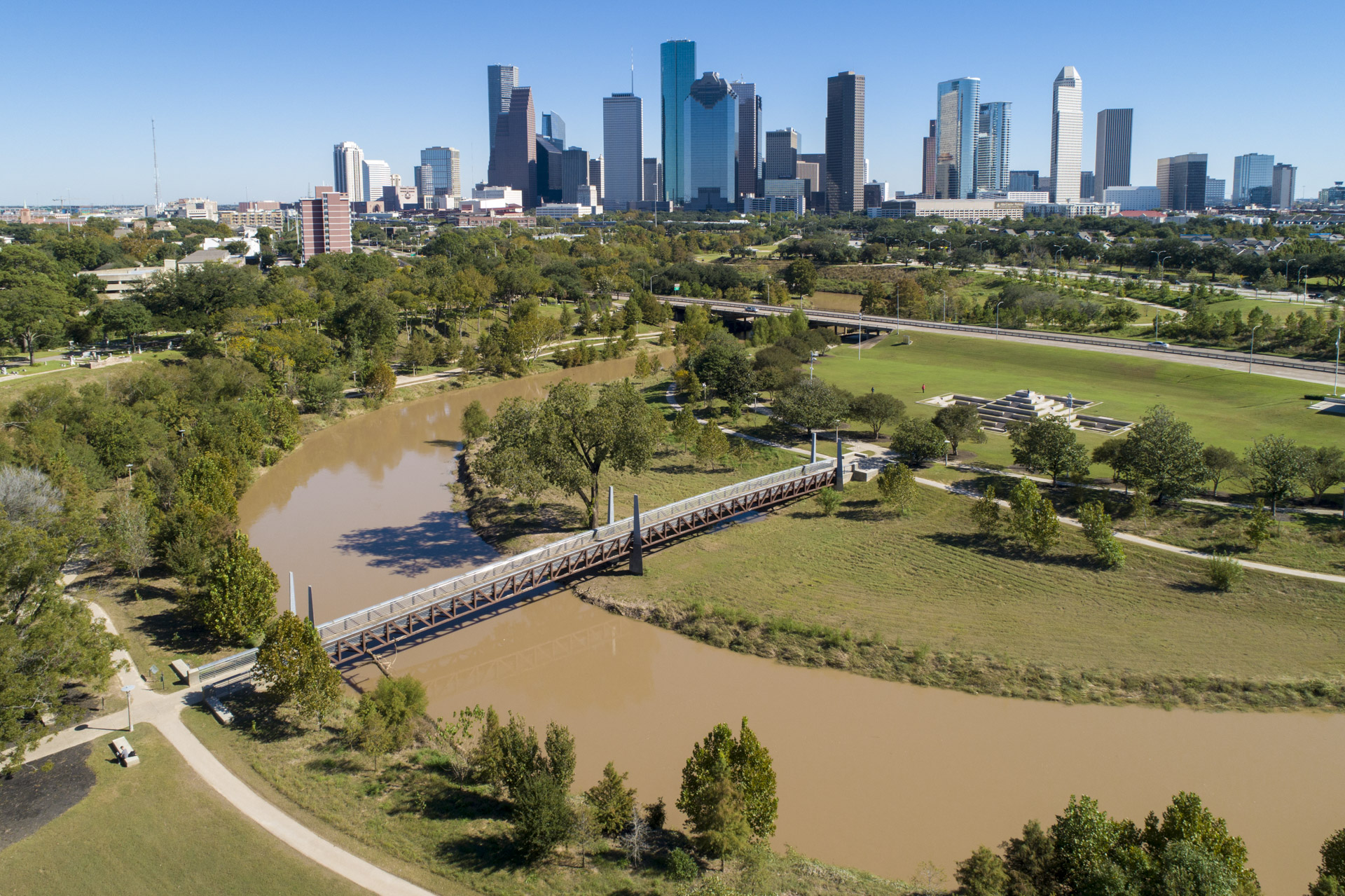
- Bioengineered Buffer Parks. Buffalo Bayou Park is a standout example. Built along the city’s central river, this undulating, multi-tiered green space is designed to flood. During severe hurricanes, the park intentionally submerges, absorbing the initial hydraulic surge and shielding nearby commercial and residential districts. Once floodwaters recede, durable native plantings and fortified embankments allow the park to recover rapidly.
- Permeable Urban Surfaces. Impervious asphalt across parking lots, walkways, courtyards, and bike paths is being systematically replaced with porous concrete, permeable pavers, and open-graded asphalt mixes. Rainwater filters straight into the subsoil, significantly easing peak pressure on the storm sewer system.
The move toward “sponge” infrastructure proves that resilient flood defense works best at the intersection of natural systems and advanced engineering. By turning parks, medians, and pathways into functional drainage assets, Houston is curbing flood risks while building a greener, more livable urban space.
Integrated Alert Systems and the Flood Warning System Network
The Harris County Flood Control District has developed and deployed one of the world’s most advanced emergency monitoring and public alert systems. This digital platform turns raw meteorological readings into a clear, actionable tool that protects lives and property across the region.
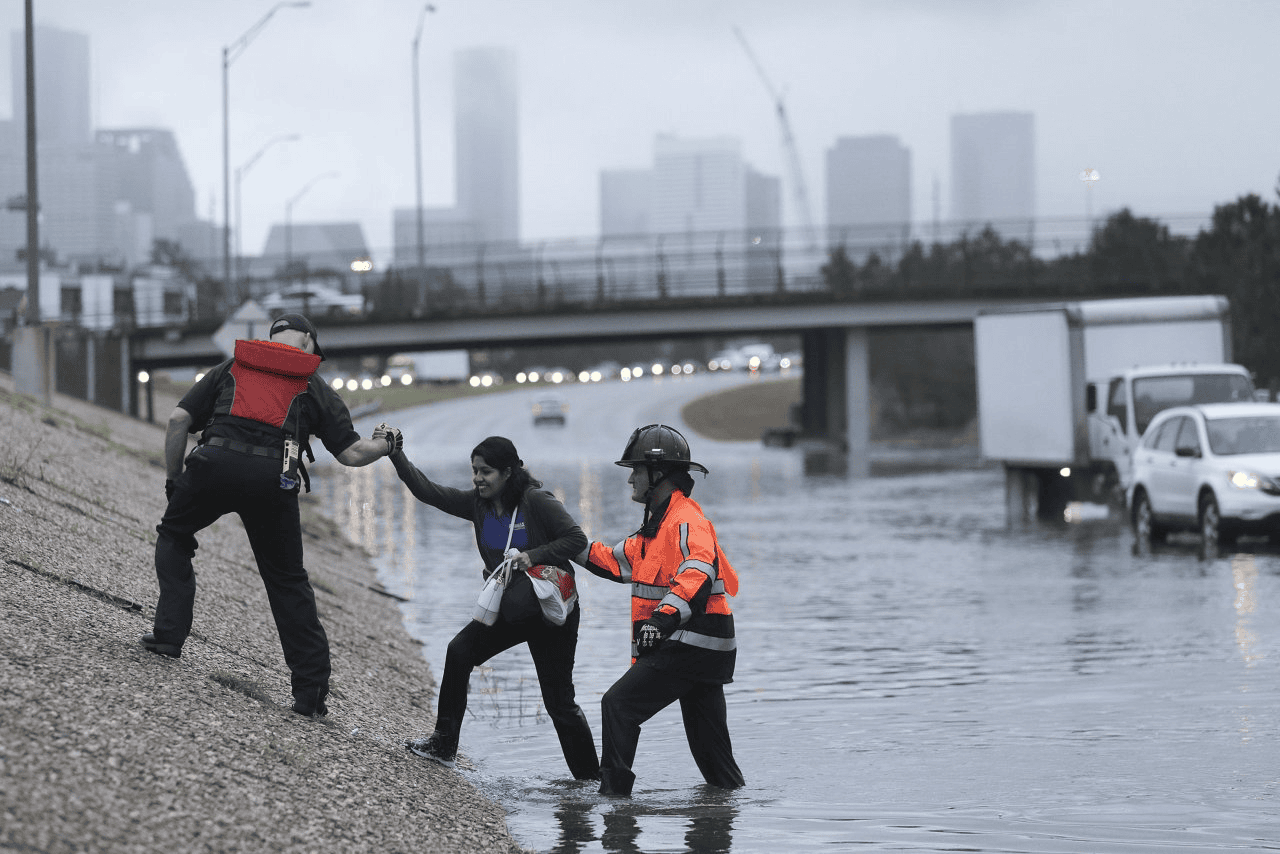
The Flood Warning System links more than 250 high-precision automated monitoring stations, offering residents, transit operators, and first responders 24/7 access to detailed, real-time flood maps. Rather than merely tracking rain totals and water elevations, AI models forecast when and where bayous will overflow their banks. City crews can then close off vulnerable intersections, overpasses, and underpasses well in advance using automated barriers, dynamic message boards, and connected traffic signals.
This early-warning framework has become a cornerstone of public safety amid intensifying weather extremes. Through automation and predictive analytics, Houston has reduced human error, trimmed emergency response times to seconds, and converted real-time data into a reliable shield for millions of residents.
A New Paradigm: Transforming the Future Urban Landscape
Through the combined power of modern construction, artificial intelligence, and nature-based solutions, Houston is redefining how cities handle extreme weather. The metropolis is no longer trying to box out water with solid concrete walls; instead, it is creating an adaptable infrastructure built to bend without breaking. Smart dams, subterranean tunnels, and green buffer parks are not only protecting neighborhoods and assets, but also forging a resilient identity for the modern Texas metroplex.
Houston’s experience shows that the era of fighting nature with brute force is over. Rather than trying to tame storms through concrete monoliths alone, this Texas hub has woven water directly into its urban fabric. It marks a fundamental shift in how cities prepare to thrive through climate extremes.
This transformation has made Houston a proving ground for next-generation urban technology. The resilient city of tomorrow is not a rigid fortress, but an agile, responsive organism. Texas has charted a fresh blueprint for metropolitan growth—one where digital algorithms and natural geography work hand in hand, turning environmental threats into catalysts for progress.

