
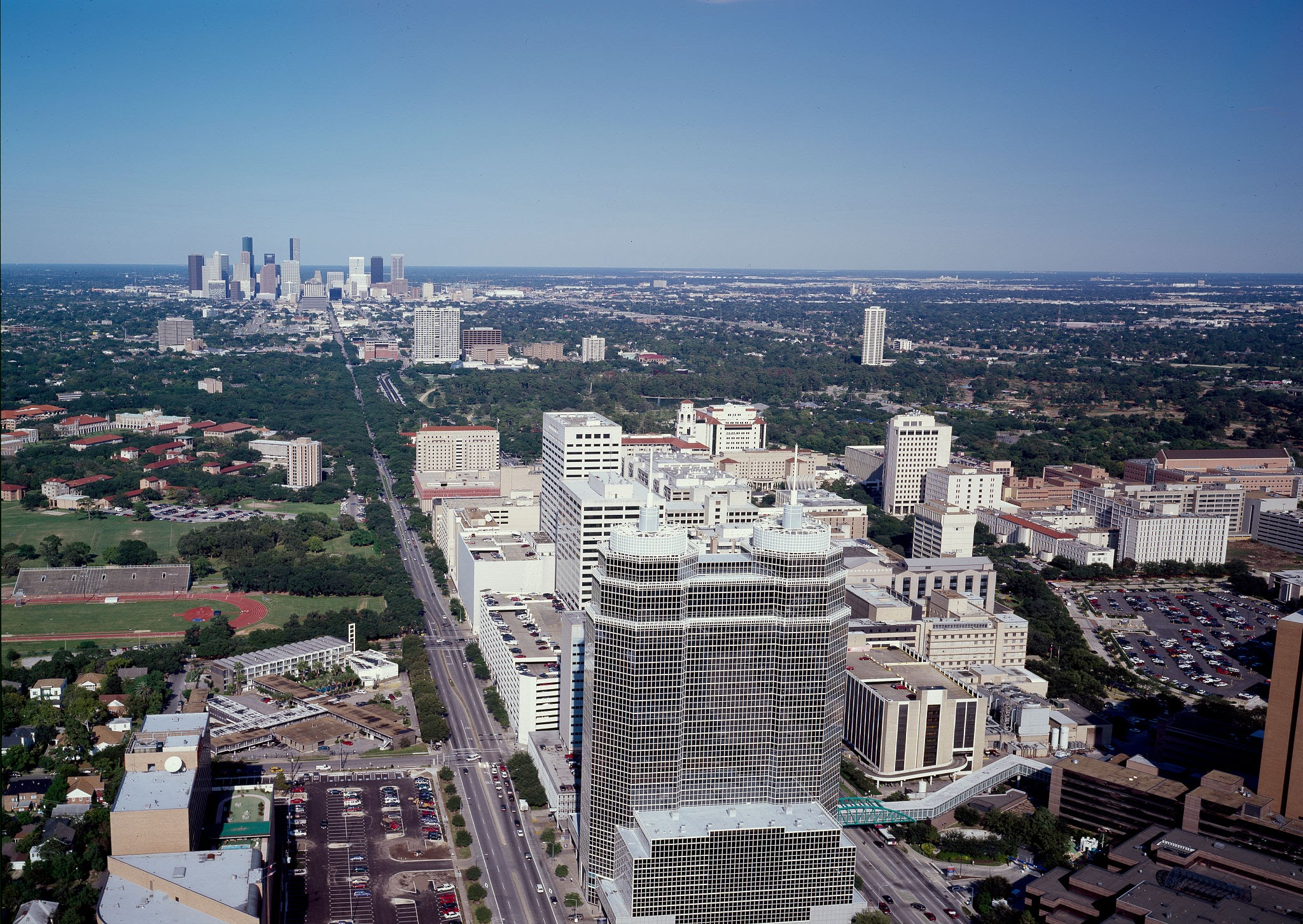
When people think of Houston, two things usually come to mind: Texas oil rigs and the iconic phrase, “Houston, we have a problem,” directed at NASA’s Mission Control. However, for decades, the city’s major technological breakthrough hasn’t been happening in space or underground. Its epicenter lies across an area spanning over five square kilometers just south of downtown.
This is home to the Texas Medical Center (TMC)—the largest medical district in the world. It’s a literal city within a city, employing over 120,000 people and welcoming millions of patients every year.
But its current status as a global bioengineering hub didn’t emerge out of nowhere. Our feature on houston-future.com explores how provincial laboratories and an ambitious surgical rivalry laid the foundation for technologies that, until recently, seemed like pure science fiction.
Genesis: How Cotton Money Built a Medical Empire
In the early 20th century, Houston was a typical Southern town. Its economy relied heavily on timber, cotton, and an emerging oil boom. Local medicine was nothing spectacular compared to other states. A few municipal and religious hospitals handled basic care, delivered babies, and fought infectious disease outbreaks. Houstonians couldn’t have imagined that in a few decades, their city would become the global capital of surgery and oncology. And this massive shift wasn’t sparked by government reforms. It all started with the wealth of one man: cotton magnate Monroe Dunaway Anderson.
The Tax Maneuver That Changed the History of Science
In the 1930s, big American businesses faced severe financial pressure. Seeking to fill the budget during the Great Depression, President Franklin D. Roosevelt’s administration significantly raised taxes, particularly on large estates. Monroe Anderson, co-founder of the highly successful cotton venture Anderson, Clayton & Co., faced a dilemma. Upon his death, the government would take a massive chunk of his estate, which would inevitably lead to the dismantling and forced sale of his company.
To protect his business and capital, Anderson established a charitable foundation in 1936 with a purposely broad mission: “for the benefit of humanity.” When the magnate passed away in 1939, the foundation received what was then an astronomical sum—around $19 million.
The foundation’s trustees and legal advisors decided to put this money to use as pragmatically as possible.
- Strategic land acquisition. Instead of scattering millions on small grants or food packages for the poor, the foundation purchased a large, wooded tract of land on what was then the southern outskirts of Houston.
- A state alliance. The trustees learned that the Texas legislature had allocated a modest $500,000 to build a specialized cancer hospital, but the government had no funds for the land or construction. The Anderson Foundation proposed a deal: they would match the state’s funds and provide the land for free. The only condition was that the hospital must be built in Houston and named after the late magnate.
- Attracting academic talent. They also managed to lure the Baylor College of Medicine, which was previously based in Dallas, to the same campus. This secured top-tier professors and students for the future medical district.
An Assembly Line From the Lab to the Operating Room
In 1941, the Texas Medical Center was officially born. Its first and foundational institution was the MD Anderson Cancer Center. The vision laid out by its early leaders—particularly surgeon Ernst Bertner—proved revolutionary for American medical practice at the time. They decided to completely move away from isolated clinics.
The idea was to consolidate research institutes, diagnostic labs, lecture halls, and surgical wings into a single cohesive campus. This created a unique scientific pipeline. Biologists and chemists would develop new treatments or test drugs in the labs, and within days or weeks, these ideas would be tested by practicing physicians in the operating rooms.
Today, this bold experiment has grown into the largest medical city on the planet. The Texas Medical Center comprises dozens of specialized hospitals, employs over 100,000 people, and sees an annual influx of more than 10 million patients. Yet, at the core of this technological giant still lies cotton money and the calculated pragmatism of 1930s Texas financiers.
How a Surgical Feud Turned Houston Into a Medical Capital
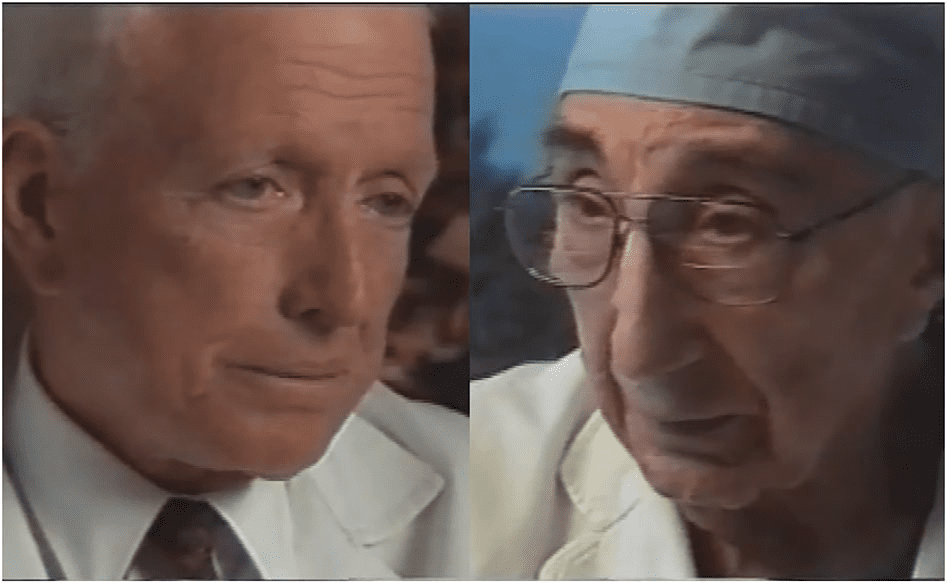
Between the 1950s and 1970s, Houston unexpectedly became the global epicenter of the cardiac surgery revolution. Royalty, presidents, and thousands of desperately ill patients flocked to these former Texas swamplands, viewing local doctors as their absolute last hope for survival. This incredible technological leap wasn’t the result of planned government grants. It was driven by a fierce, almost rock-and-roll rivalry between two brilliant medical titans: Michael DeBakey and Denton Cooley. Their relationship, which went from close friendship to a forty-year bitter feud, became the primary engine of global surgery.
DeBakey’s Engineering Genius vs. Cooley’s Golden Hands
Michael DeBakey was a stern, systematic scientist, a perfectionist, and a strategist. He viewed cardiac surgery not just as a craft, but as a complex engineering challenge where the human body required the creation of new, reliable mechanisms. Denton Cooley, who had spent time working as his assistant, was his polar opposite. He was a charismatic, incredibly fast, and technically flawless practitioner whose colleagues said he had “the best hands in the history of medicine.”
When their paths diverged to different clinics within the Texas Medical Center, an all-out innovation race ignited between the two surgeons.
- DeBakey’s roller pump. As a young man, Michael DeBakey perfected the design of a roller pump, which later became a key component of the heart-lung machine. This invention allowed surgeons to “turn off” a patient’s heart for hours and safely operate on open ventricles.
- Dacron grafts. DeBakey was the first in the world to suggest using synthetic fabric (Dacron) to create artificial grafts for damaged arteries. He sewed the very first prototypes of these vascular implants himself on his wife’s home sewing machine.
- Military logistics (MASH). During World War II, it was DeBakey who developed the concept of Mobile Army Surgical Hospitals (MASH) for the US military, a system that saved thousands of lives on the front lines.
- Surgical prowess. Cooley’s incredible skills allowed him to perform up to thirty complex surgeries a day. This sheer volume propelled Houston to the number one spot in the United States for cardiac care.
The Artificial Heart Scandal
The climax of their rivalry occurred in April 1969, resulting in a massive international scandal that fractured the American medical community. While Michael DeBakey was away on a business trip in Washington, D.C., the condition of his Houston patient—who was being overseen by Denton Cooley—began to deteriorate rapidly. There was no donor organ available.
Unwilling to wait for his boss to return, Cooley made history by implanting the patient with a fully mechanical artificial heart, designed by researcher Domingo Liotta. The patient survived for 64 hours with the device, buying enough time for a real donor heart to arrive.
DeBakey viewed this move as a personal betrayal and professional sheer audacity. He publicly accused his former protégé of secretly stealing the classified prototype from his lab and conducting an unauthorized human experiment. Following the incident, the two surgeons severed all ties. They erased each other from their scientific papers and refused to even exchange greetings for nearly forty years.
The Legacy of the Texas Race
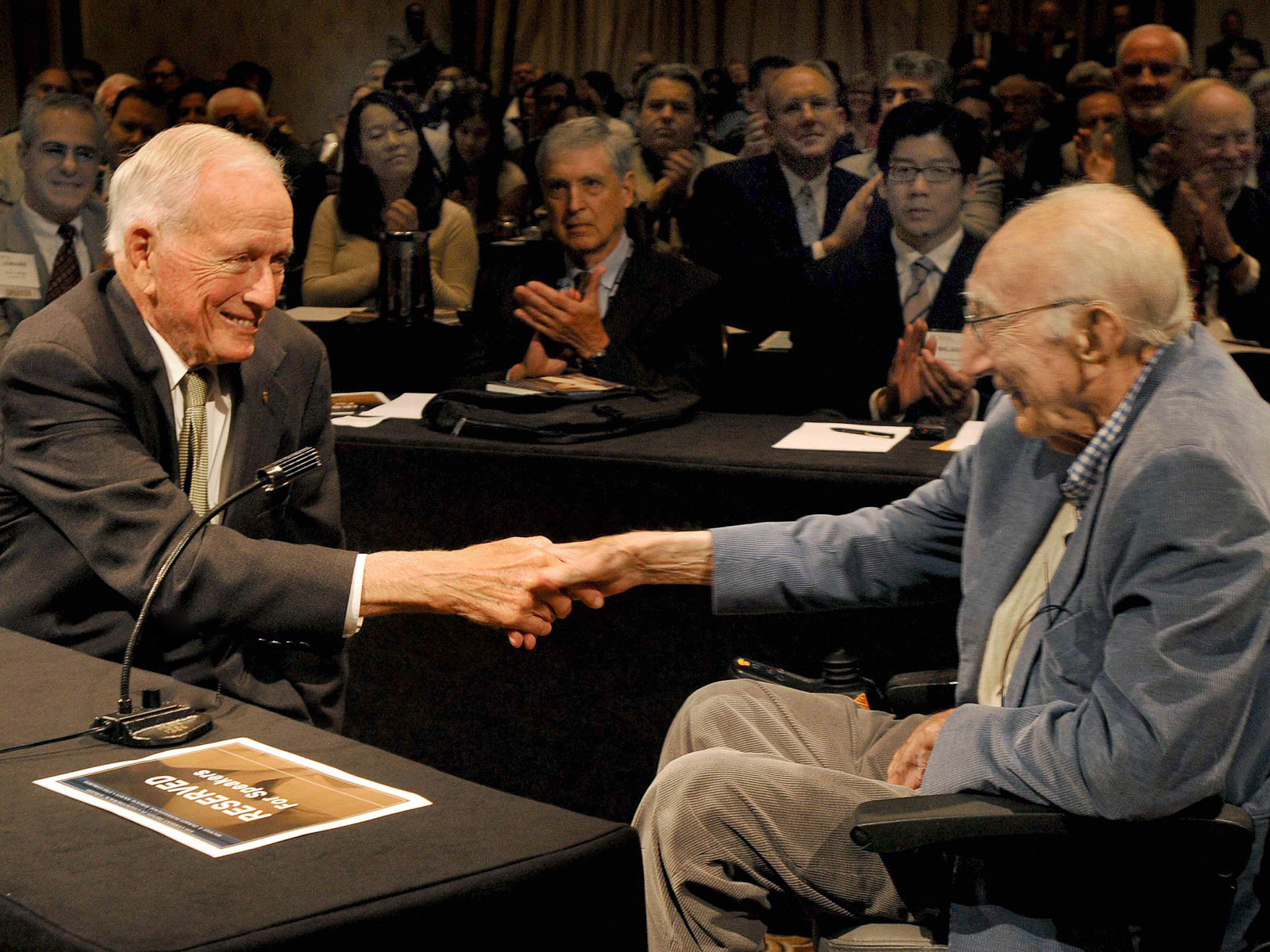
This exhausting personal war only came to an end in 2007. Just a year before DeBakey’s death, the 99-year-old DeBakey and 87-year-old Cooley finally shook hands publicly at a reconciliation ceremony.
For Houston itself, however, their decades-long emotional rivalry had a monumental impact. In their drive to outdo one another at every turn, DeBakey and Cooley built an unparalleled technological foundation. They transformed standard mechanical devices, pumps, and plastic tubes into fully functional substitutes for human organs. They proved that the heart is ultimately a pump that can and must be repaired, permanently cementing Houston’s status as the surgical Olympus of the world.
Space Tech and the Genomic Breakthrough
In the 1980s and 1990s, surgery began to transform under the influence of digital technology. Here, Houston played its ultimate trump card: its proximity to the NASA Johnson Space Center.
Technology transfer from the aerospace industry to medicine became commonplace. For instance, the MicroMed DeBakey VAD, a miniature pump used to support the heart’s left ventricle, was based on the engineering designs of the Space Shuttle’s fuel pump. NASA engineers helped doctors solve a critical issue—the destruction of red blood cells as blood passed through the mechanical blades.
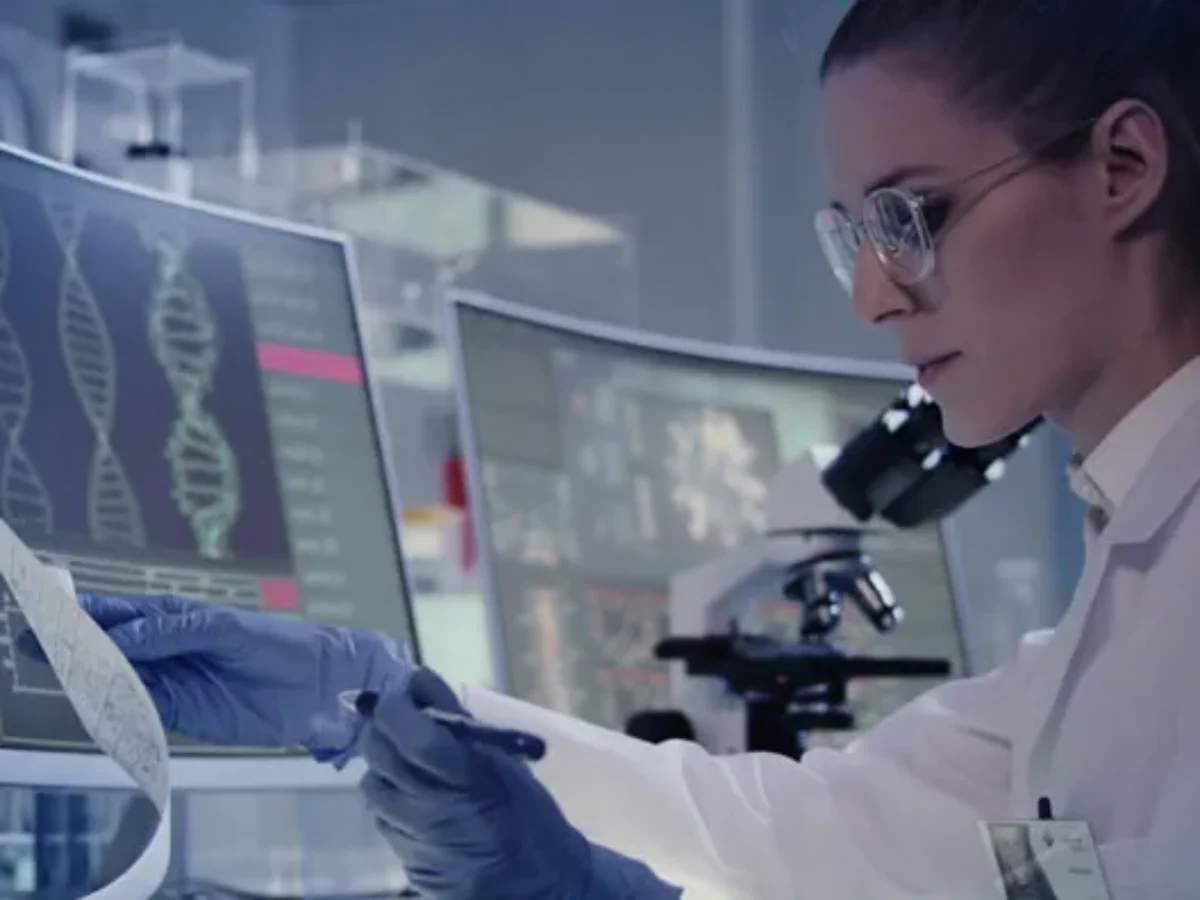
Simultaneously, the Baylor College of Medicine (part of TMC) launched massive research efforts as part of the international Human Genome Project. Houston became one of the key centers for decoding DNA, elevating medicine from merely “treating symptoms” to the realm of personalized molecular analysis.
The Modern Era: From Clinic to Bioengineering Factory
Since then, Houston has firmly secured its position as a global bioengineering hub. The current phase of evolution involves the convergence of medicine with IT, robotics, and materials science. The heart of this process is the sprawling innovation campus, TMC Helix Park.
Today’s major trend is moving away from implanting titanium or plastic prosthetics in favor of growing and 3D-printing living tissues.
Houston’s Key Technological Frontiers
- 3D Bioprinting. Researchers in Houston are successfully developing three-dimensional vascular networks. The ultimate goal is to print fully functional organs (kidneys, livers, hearts) using a patient’s own cells, potentially eradicating organ transplant waitlists and the issue of tissue rejection.
- Neuroengineering. In collaboration with Rice University, medical experts are developing brain-computer interfaces. These microchips could restore mobility to paralyzed patients by transmitting brain signals directly to exoskeletons or muscles, bypassing a damaged spinal cord.
- AI in Diagnostics. Algorithms trained on millions of scans from the MD Anderson Cancer Center can now detect microscopic tumors in their earliest stages, achieving an accuracy that surpasses even panels of highly experienced radiologists.
Houston’s main secret lies in its so-called “innovation ecosystem.” Here, a cardiologist, a materials engineer, and a neural network programmer might all share the exact same workspace.
Thanks to specialized incubators like TMC Innovation, startups from all over the world bring their ideas to Texas. They gain access to clinical trials in a matter of days, rather than months. The journey from a mathematical model on a computer screen to a real-world application at a patient’s bedside is shorter here than anywhere else on earth. And while the medicine of the last century relied on a sharp surgical scalpel, the medicine of today is being written in the language of genetic code, neural networks, and cellular engineering.

