

Humanity has not yet reached a level of development where prisons are unnecessary. Unfortunately, jails remain essential and often overcrowded. The U.S. ranks 56th in crime globally, with an average of 48 crimes per 100,000 residents. Prisons are therefore needed, as society still relies on isolation as the most effective means of rehabilitation. Since Houston is the fourth most populous city in the U.S., crime levels are high, and so are the number of correctional facilities. One of the most notable institutions of this kind is Harris County Jail. More on houston-future.
Establishment History
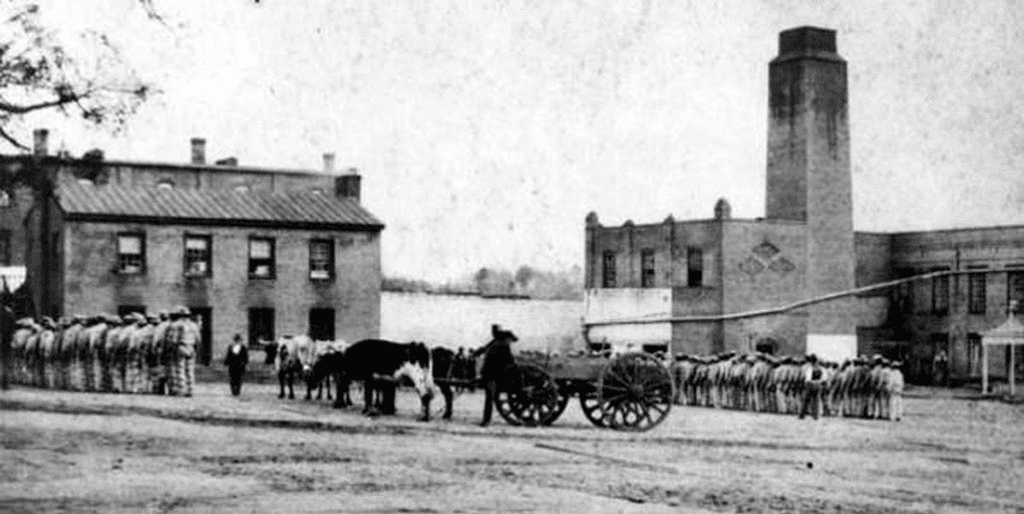
Harris County Jail in Houston dates back to the city’s founding in 1836. Crime was prevalent during those turbulent times of establishing a new city, and a holding facility was quickly set up in a small house on Main Street. Due to its small and unsuitable space and a high number of “clients,” the jail was always overcrowded, with poor sanitation. In 1840, a larger and more secure jail building was constructed to meet the needs of both inmates and guards. However, maintaining the facility was costly, and it was soon decided to close it and instead contract a private company to handle Houston’s penitentiary needs. The Harris County Jail Company was founded but struggled with overcrowding and poor sanitary conditions, persisting for two decades before it was shut down in 1886 after several riots and escapes.
Expanding Prison Facilities
As Houston continued to grow, city officials again opted to build a larger jail. Despite high maintenance costs, the investment was necessary for Houston’s peace and security. The city opened its second jail in 1897, which soon became too small to accommodate the rising number of detainees. In the early 20th century, the prison population reached over a thousand.
When it became apparent that the facility could no longer meet the city’s needs, a third jail was built in 1912 on San Jacinto Street. Opened in 1914, this new facility remains in operation today, having undergone numerous expansions and renovations. By the start of the 21st century, the jail held 12,000 inmates, well over its intended capacity. A proposal to build a new jail in 2007 with a projected cost of $245 million was ultimately dismissed due to budget constraints.
Conditions and Statistics
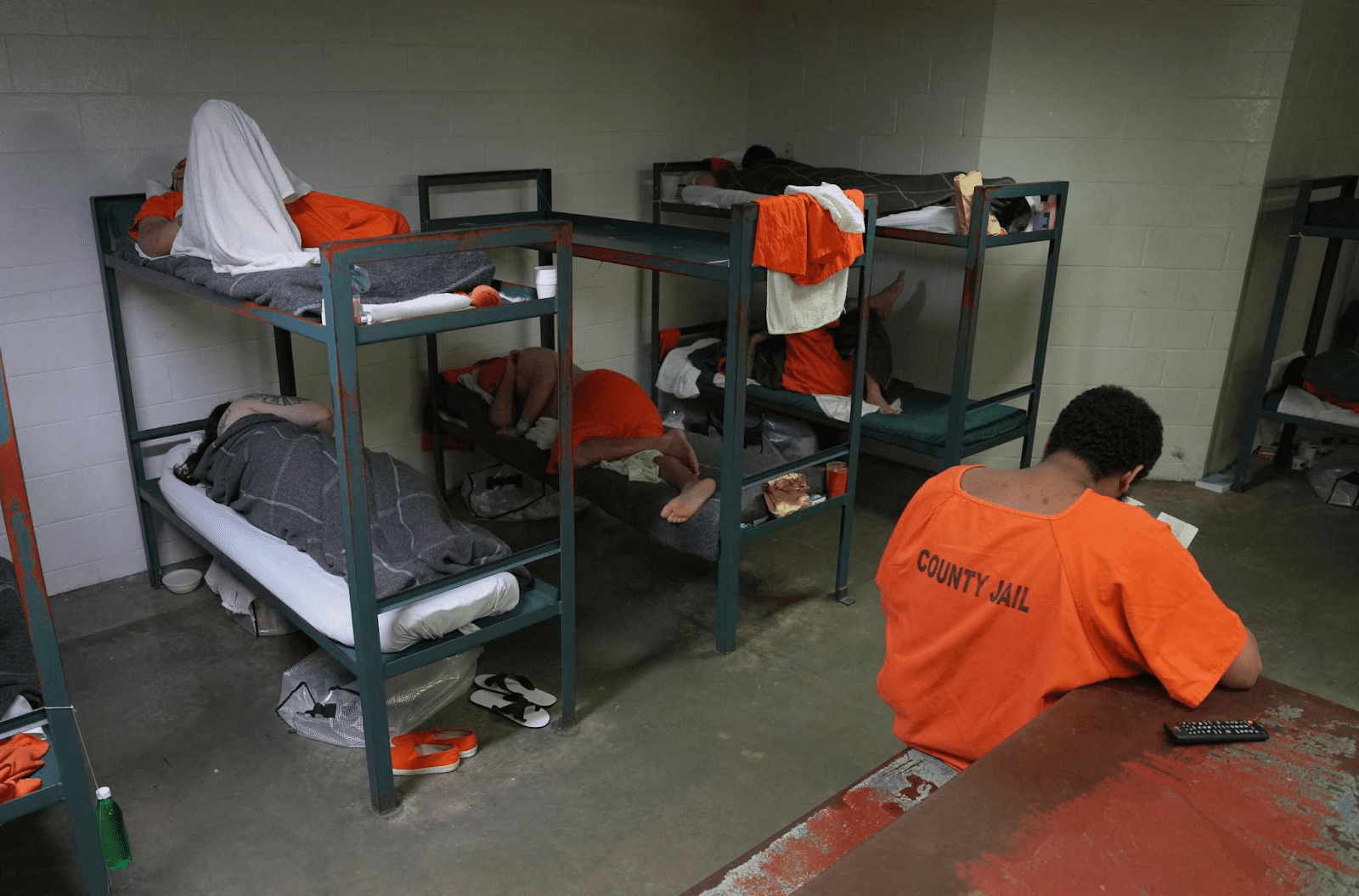
A jail, of course, is not a resort. However, even inmates deserve certain basic standards. Over recent decades, the conditions at Harris County Jail have been the subject of numerous discussions, with inmates consistently complaining about overcrowded cells and unsanitary conditions. Inmates have initiated several protests to draw attention to these issues, which prompted local authorities to take action under media pressure. Renovations were made, and new programs were introduced to improve the inmates’ welfare. Despite these efforts, challenges remain.
Statistically, the jail has operated at over 120% capacity for many years. Around 63% of inmates are awaiting trial, while only 37% have been convicted. Additionally, 80% of the prison population suffers from mental health issues. On average, 24 inmates die in Harris County Jail each year, half of whom had documented mental health disorders. Taxpayers in Harris County spend an average of $59 per day per inmate, with the total daily expenditure for Houston’s detainees amounting to $375,299.
While Houston’s authorities face ongoing challenges in managing these issues, crime rates remain high, and a lack of staff further complicates matters. Low salaries and the demanding nature of the job deter potential employees, leading to a shortage of workers. Thus, the city of Houston continues to seek solutions to these pressing and persistent issues.