
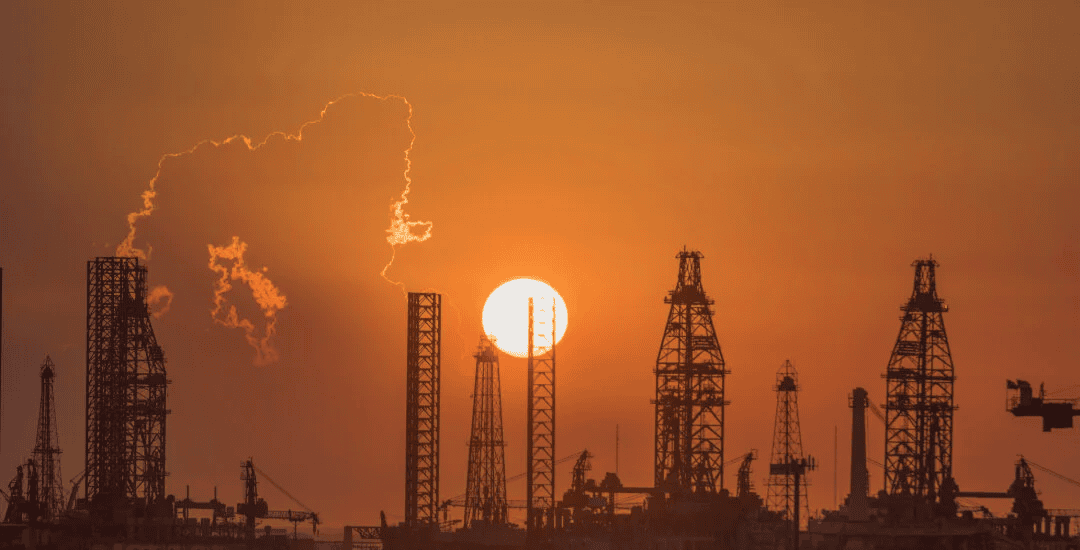
For over a century, Houston held the undisputed title of the “energy capital of the world.” Home to oil and gas giants, its skyline has long been synonymous with Gulf Coast refineries and offshore platforms. Today, however, the city is making a pragmatic and sweeping pivot—positioning itself as a premier global hub for clean tech, hydrogen energy, and carbon capture. Read on at houston-future.com to explore how this transformation is unfolding.
From Oil and Gas Giants to Clean Tech: A Pragmatic Evolution
Many regions attempt to build a green economy from scratch, often running into capital constraints and technical bottlenecks. Houston is taking a different path: leveraging its formidable engineering, logistics, and industrial foundation. Local energy corporations, institutional investors, and venture funds have largely moved past ideological debates. They recognize a clear reality: the global energy transition isn’t an existential threat to traditional business—it is the 21st century’s largest commercial opportunity, representing a multi-trillion-dollar market.
Rather than artificially pitting fossil fuels against emerging green solutions, Houston pragmatically bridges the two. Petroleum engineers, geophysicists, and drilling specialists who spent decades extracting hydrocarbons from the most hostile environments are redirecting their expertise into adjacent cutting-edge sectors. They are developing digital twins of subterranean reservoirs for long-term carbon storage, modeling ultra-deep geothermal wells, and designing extensive pipeline infrastructure to transport hydrogen.
The Texas model is proving effective once again: the best way to drive an energy revolution is to put it in the hands of people who know how real-world engineering works.
Three Pillars of Houston’s Energy Transformation
The city’s shift relies on three foundational sectors where Texas holds distinct geographic, technical, and infrastructural advantages. Rather than relying on abstract concepts, Houston is rolling out full-scale industrial ecosystems, converting legacy energy capital into next-generation clean power.
| Sector | Technological Foundation | Houston’s Global Role |
| Hydrogen Economy | Thousands of miles of active industrial pipelines and massive steam methane reforming plants. | Establishing the nation’s premier hub for producing, transporting, and exporting green and blue hydrogen. |
| Carbon Capture, Utilization, and Storage (CCUS) | Deep depleted oilfields, saline aquifers, and salt caverns along the Gulf Coast. | Permanently sequestering millions of metric tons of CO₂ directly adjacent to major refining and petrochemical complexes. |
| Energy Storage and Grid Resilience | Pairing massive Texas wind and solar assets with utility-scale battery energy storage systems (BESS). | Providing continuous grid balancing for ERCOT and supplying 24/7 clean power. |
Industrial Scale in Action
- The Hydrogen Leap
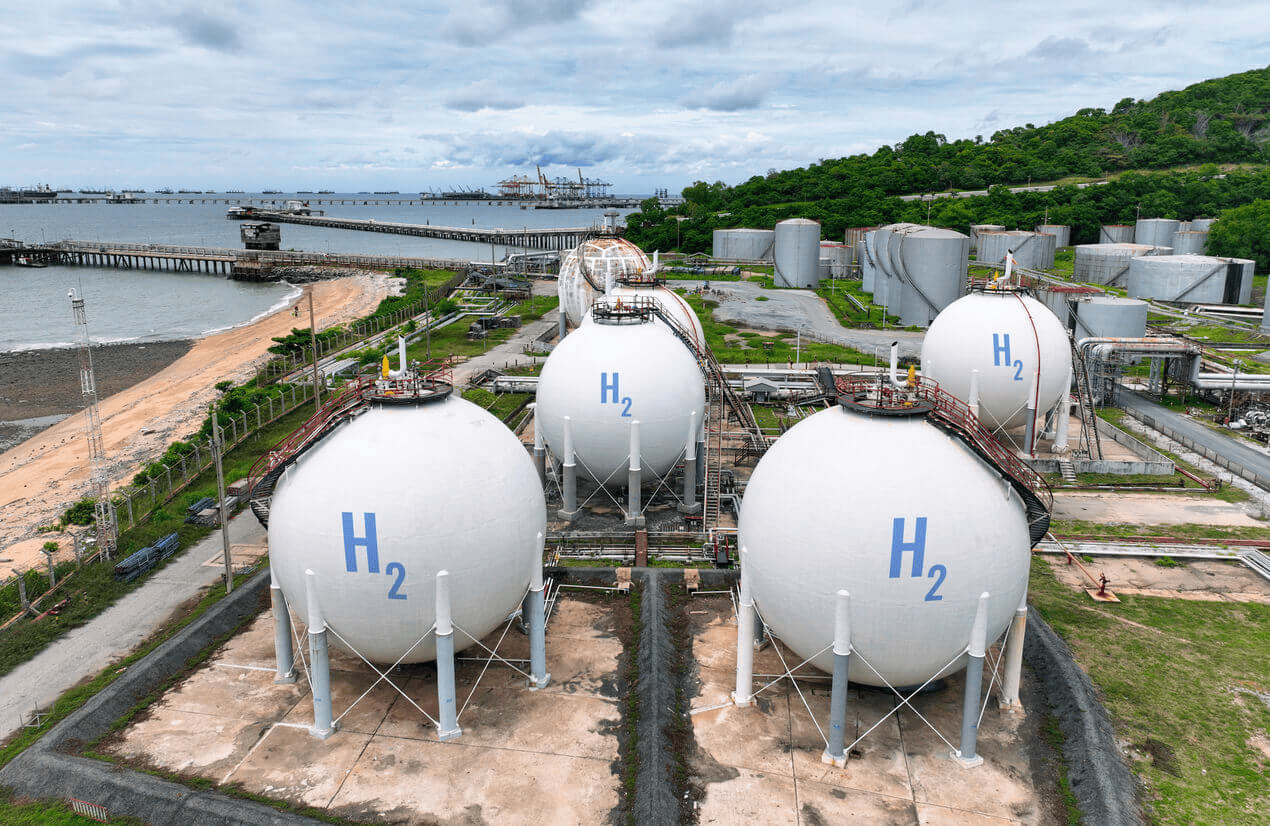
Houston doesn’t need to build supply chains from scratch; the Gulf Coast region already hosts over 48% of all hydrogen pipelines in the United States. The HyVelocity Hub initiative brings together industry leaders to transition from conventional gray hydrogen to lower-carbon varieties. By combining carbon capture technology with renewables-powered electrolysis, the Gulf Coast is setting itself up as a premier exporter of clean fuel for global heavy industry and maritime shipping.
- A Subsurface Vault for Carbon
Instead of venting emissions into the atmosphere, CCUS facilities capture CO₂ straight from industrial smokestacks. Thanks to the Gulf Coast’s unique geology, deep formations beneath the region can permanently trap billions of tons of compressed CO₂ for centuries. This positions Houston as a global nerve center for industrial decarbonization. - Taming the Elements: Grid-Scale Batteries
While Texas leads the nation in renewable power generation, wind and solar output are inherently intermittent. Utility-scale installations—such as the Battery Energy Storage Systems (BESS) proliferating across the Houston area—act as critical shock absorbers. They store surplus energy during peak production and discharge it into the ERCOT grid during wind lulls or intense heat waves.
The Ion and Startup Incubators: Where New Cleantech Takes Shape
The anchor for this emerging ecosystem is the Houston Innovation District—a dynamic district bridging bleeding-edge technology and established institutional capital.
- The Ion Innovation Hub
A transformed 24,000-square-meter former Sears department store has become the centerpiece of the regional tech ecosystem. Under one roof, it convenes agile tech startups, researchers from Rice University, and corporate venture arms of industry giants like Chevron, ExxonMobil, and Shell. Here, groundbreaking science bypasses typical bureaucratic delays to secure direct corporate backing. - Corporate Accelerators and Greentown Labs
The city has cultivated a rich network of specialized incubators, headlined by Greentown Labs—North America’s largest climatetech incubator. Notably, when the Boston-born organization chose to open its very first expansion location, it selected Houston, recognizing the city’s unmatched capacity to scale clean tech hardware and operations.
This blend of academic research and corporate firepower ensures ideas don’t get stuck in slide decks. In Houston, moving from a bench-scale concept to industrial deployment at an operating facility takes months rather than decades, turning the city into an assembly line for commercial clean tech.

Gulf Coast Hydrogen Hub: The Infrastructure Advantage
One of the region’s most ambitious endeavors is the HyVelocity Hub—a regional hydrogen network backed by multi-billion-dollar investments and direct funding from the U.S. Department of Energy.
While other global hubs are still sketching hydrogen network blueprints, Houston enters the race with a decisive head start. The Gulf Coast already features over 1,600 kilometers (1,000 miles) of active industrial hydrogen pipelines—accounting for nearly half of the entire U.S. network.
Having an operational backbone in place fundamentally changes the economics of the transition:
- Rapid Scaling Without “Capital Shock”
Houston doesn’t have to spend decades or billions acquiring rights-of-way, securing permits, and digging trenches through private property. Its existing pipeline grid allows producers to ramp up clean hydrogen volumes and deliver them directly to off-takers immediately. - Targeted Decarbonization for Hard-to-Abate Sectors
The HyVelocity Hub targets industries that cannot be easily electrified by lithium-ion batteries or rooftop solar. Clean Gulf Coast hydrogen is destined to decarbonize heavy chemical refining, steelmaking, international shipping, and long-haul freight transport. - An Export Gateway to Global Markets
Direct pipeline connectivity to the Port of Houston’s deepwater berths positions the metro area as a primary prospective exporter of green and blue hydrogen. Texas is gearing up to supply low-carbon fuels to Europe and Asia, solidifying its standing as the world’s leading energy terminal—regardless of which molecule flows through its lines.
Challenges and Prospects on the Road to Net-Zero
Despite rapid capital inflows, Houston’s energy transition faces clear operational hurdles:
- Scaling CCUS Infrastructure. Capturing and sequestering carbon at scale requires vast capital commitments and navigating complex, lengthy environmental permitting processes.
- Commodity Price Exposure. During the transition, the city must balance the legacy oil and gas sector that underpins its tax base with early-stage, capital-intensive clean tech ventures.
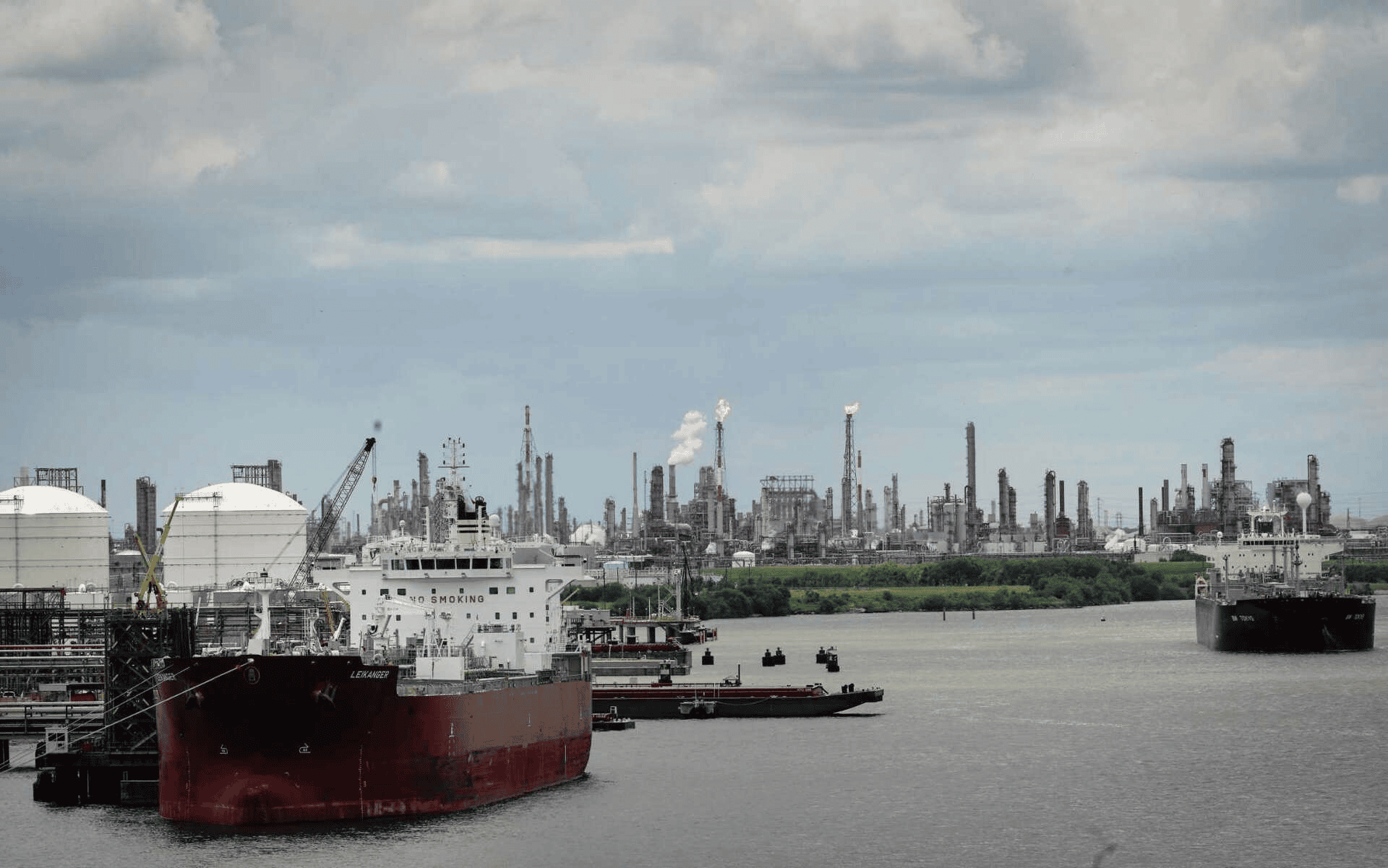
- Climate Vulnerability. Clean energy assets and facilities located near the Houston Ship Channel must be engineered to withstand severe weather events, including hurricanes and storm-surge flooding.
Houston is forging a distinct blueprint for the energy transition. Rather than disavowing its industrial legacy, the city is deploying its capital reserves, patent portfolios, and deep engineering bench to spearhead the decarbonization of the global energy landscape.

