

Houston is a city with nearly 200 years of history, marked by both highs and lows. It was once the capital of Texas but also ranked among the lowest for quality of life. Today, Houston is the fourth-largest city in the United States and stands as an essential economic and cultural center. More on houston-future.
Founders’ Ambitions
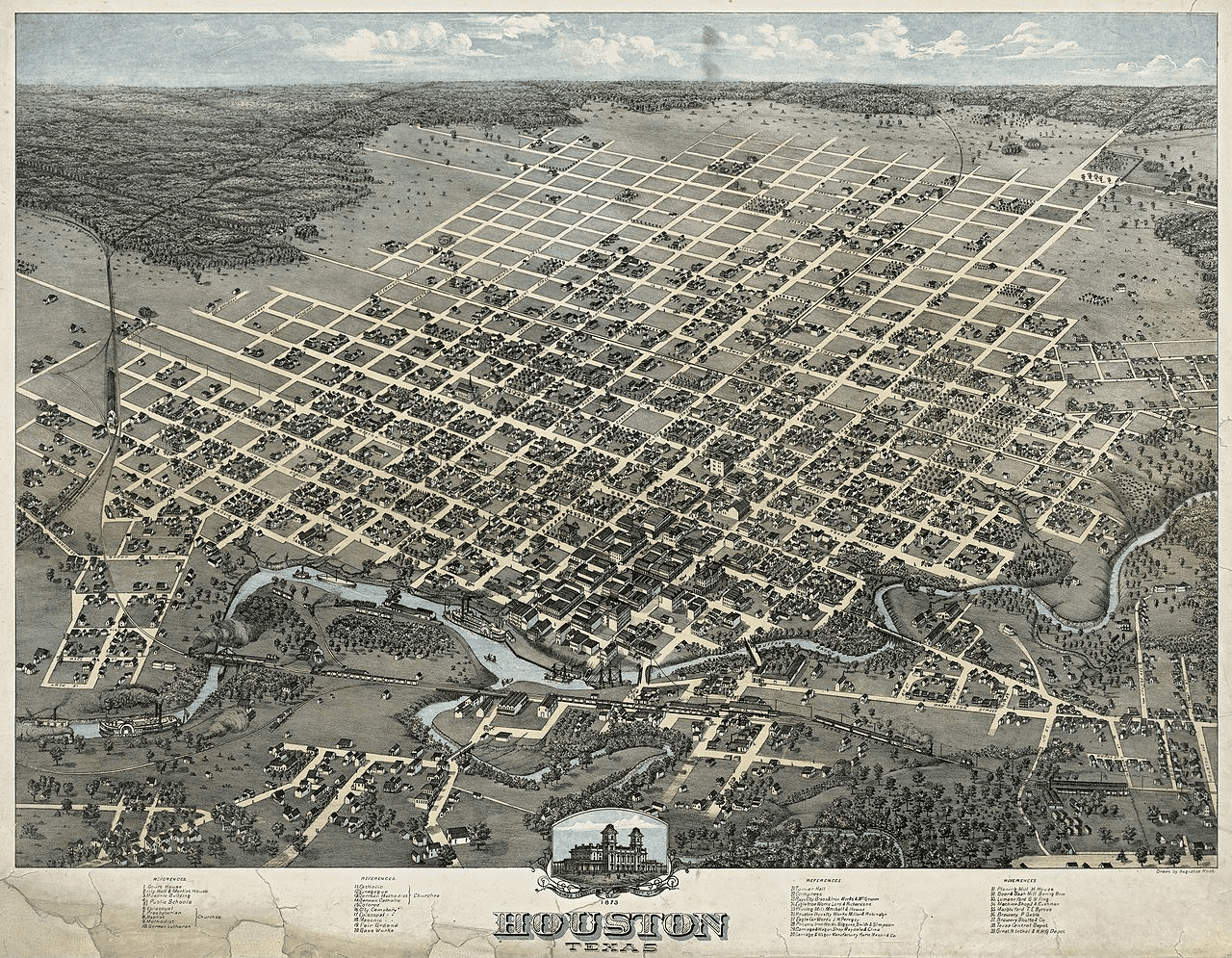
The city’s history dates back to 1836 when two enterprising brothers, John and Augustus Allen, purchased several thousand acres along the Buffalo River for under $10,000. This period marked the establishment of the Republic of Texas, and the Allen brothers, who had a vision for the city as the state capital, began laying plans. Houston became the capital, but only for three years, after which Austin took on that role. Over time, the once-small town grew with the arrival of shops, schools, and cafes, transforming into a regional urban hub by the mid-19th century. Houston’s advantageous location, especially its river access, soon caught the eye of international companies, establishing it as a key transportation hub. Its rapid economic and demographic growth positioned Houston among the top 100 most populous cities. Economists calculated that, had Houston been an independent country in the early 20th century, its economy would rank 30th globally.
A Multinational City
Houston was initially built almost from scratch. In January 1837, it had only 12 residents, all living in one large building. But within four months, the population reached 1,500 with almost 100 houses. People arrived from diverse backgrounds, often not highly educated, and despite the Baptist church’s and local authorities’ efforts, Houston struggled with issues like alcoholism, brawling, and low cultural standards. The crime rates were high due to the city’s multicultural mix, which included African Americans, Asians, Hawaiians, Indigenous people, and a large Latin American population. This diversity often led to ethnic tensions. Even after the Civil War, racial segregation was rampant, with separate schools, hospitals, churches, businesses, and even parks and facilities designated for African Americans until the mid-20th century.
In the 21st century, Houston remains multicultural. Statistics show that approximately half of the population is of European descent, one-third is Latin American, a quarter African American, with a small percentage of Asians and around 1% Native Americans. The city is also home to over 400,000 undocumented immigrants.
Oil as a Catalyst for Houston’s Growth
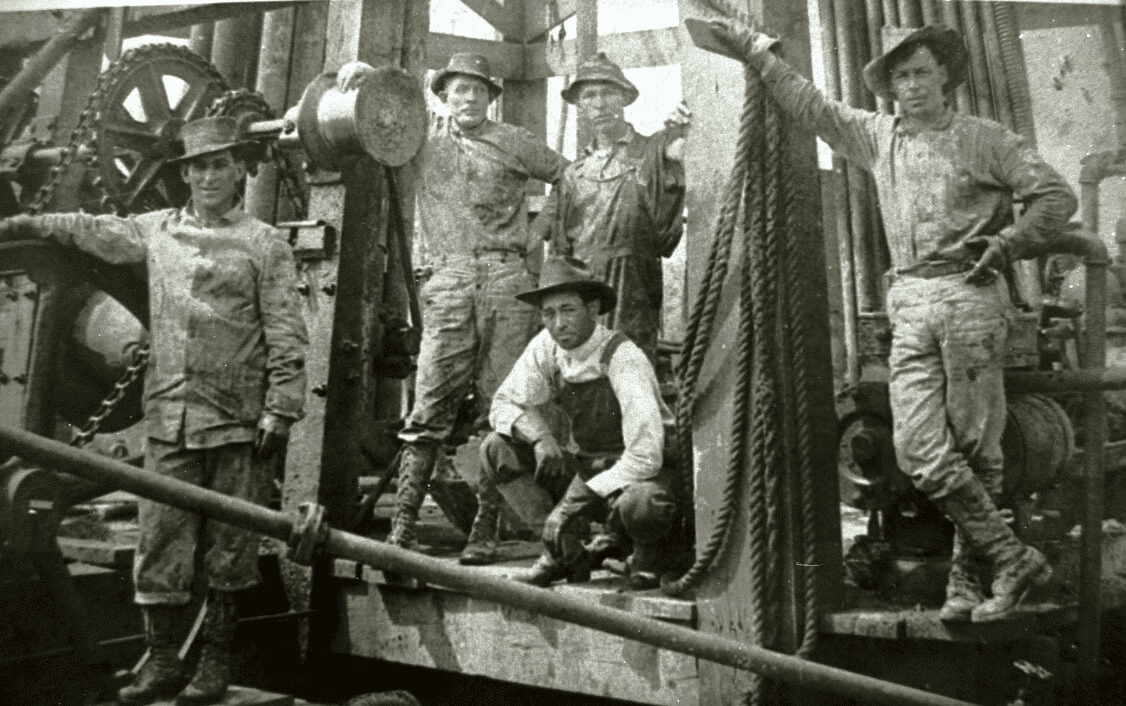
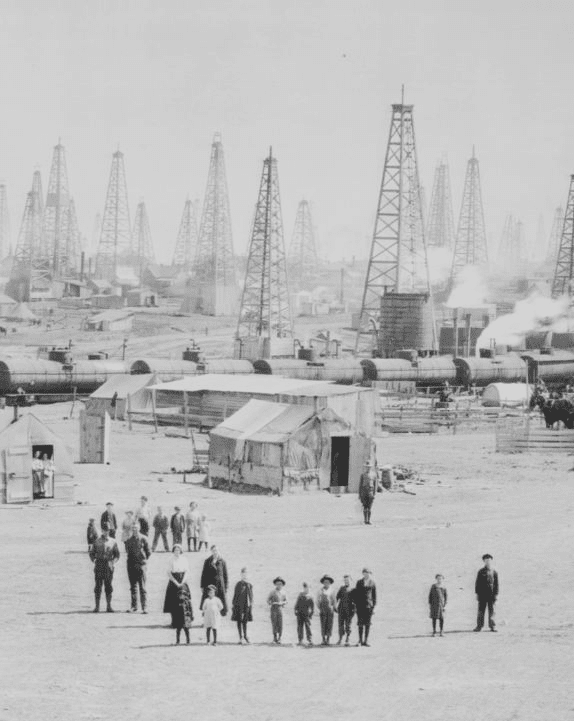
Houston’s trajectory shifted with the discovery of oil reserves in Texas. On January 10, 1901, the discovery of the Spindletop oil field near Beaumont spurred rapid economic growth in Houston. The city’s riverside location facilitated the development of ports, railroads, and other infrastructure needed to support the booming oil industry. The growing demand for oil products globally also attracted investors, leading to the establishment of numerous companies that remain active in Houston today. By 1929, there were over 40 registered oil companies in the city, creating a thriving business environment that spurred cultural growth, with new restaurants, clubs, and theaters emerging.
World War II created demand for synthetic rubber, gasoline, and explosive materials derived from oil, further strengthening Houston’s economy. For instance, the Todd Shipbuilding Corporation built the Liberty Ships plant, employing over 20,000 workers.
Today, Houston remains a leading hub of the energy industry. The city hosts headquarters for major companies like Texaco, Exxon, and Gulf Oil Corporation, key suppliers of oil products in the United States.
Aerospace, NASA, and the First Man on the Moon
Houston has a wealth of museums, galleries, theaters, an opera, and a professional symphony orchestra, but its most iconic attraction is undoubtedly the Lyndon B. Johnson Space Center – NASA.
Houston’s aerospace legacy began in 1961 with the establishment of the Space Center, which became a cornerstone for NASA, playing a crucial role in numerous space missions. The U.S.-Soviet space race spurred the development of programs aimed at sending humans into space, culminating with the U.S. landing the first human on the Moon in 1969. This historic launch was managed from Houston.
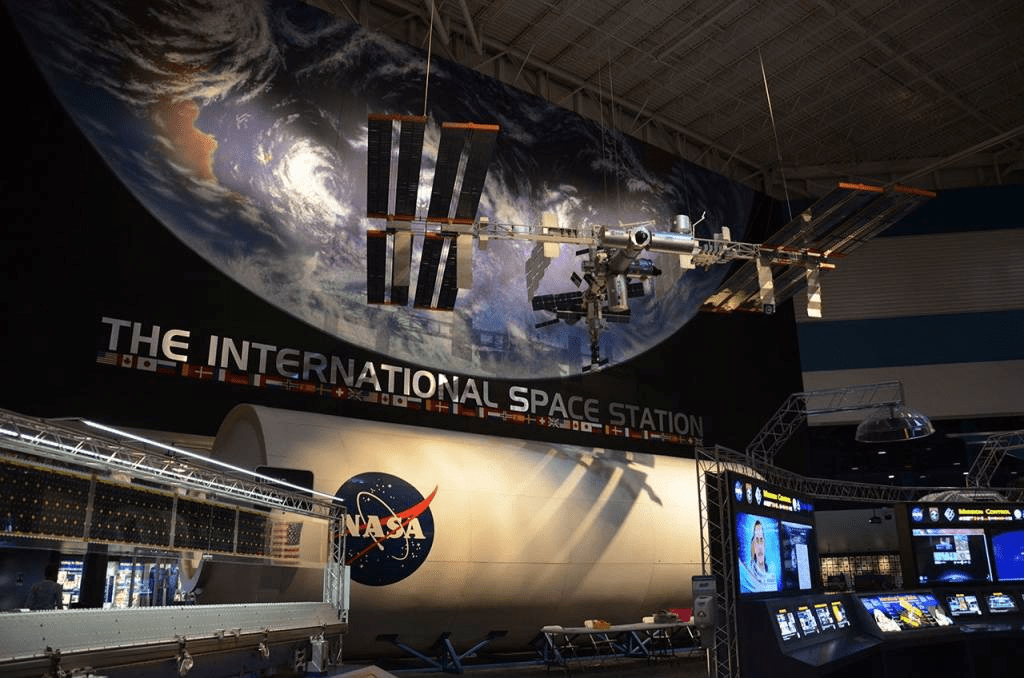
Today, the Johnson Space Center is pivotal for astronaut training, space mission development, and aerospace research. Thanks to the center, Houston earned the nickname “Space City” and became an internationally recognized hub of space exploration. Its establishment has also spurred advancements in other fields, including education, engineering, aerodynamics, and meteorology, with many higher education institutions actively collaborating with NASA.
Located in Houston’s Clear Lake area, the Johnson Space Center spans 656 acres with around 100 buildings, including mission control, astronaut training facilities, spacecraft development buildings, laboratories, and research centers. Visitors can tour the museum, which houses over 400 space artifacts, including real spacecraft, a collection of moon rocks, and astronaut training simulators. The museum features interactive exhibits about space, NASA’s work, and aerospace research, including immersive videos. A tram ride is necessary to see everything, as a single day might not be enough to cover all exhibits and areas. A memorial on site honors astronauts who lost their lives in space exploration.