

As the saying goes, “You’re judged by your appearance, but remembered by your mind.” This applies to cities as well. A city’s initial impression may come from its cleanliness and charm, but its lasting impression is often shaped by its educational and cultural institutions. Houston leaves a strong final impression, as it offers a wide array of such institutions. Moreover, Houston even has entire districts dedicated to science and museums. Today, we’ll focus on one of them. More on houston-future.
A Leading Artistic Landmark of the Region
Among the many interesting, unique, and remarkable museums in Houston, the Museum of Fine Arts, Houston (MFAH) stands out as one of the most visited. Annually, it attracts around 900,000 visitors, who come to admire its extensive collections. The MFAH is one of the largest art museums in the United States and the oldest in Texas. It boasts a vast collection from all corners of the world, spanning from ancient times to the present day, with about 80,000 unique pieces in its care.
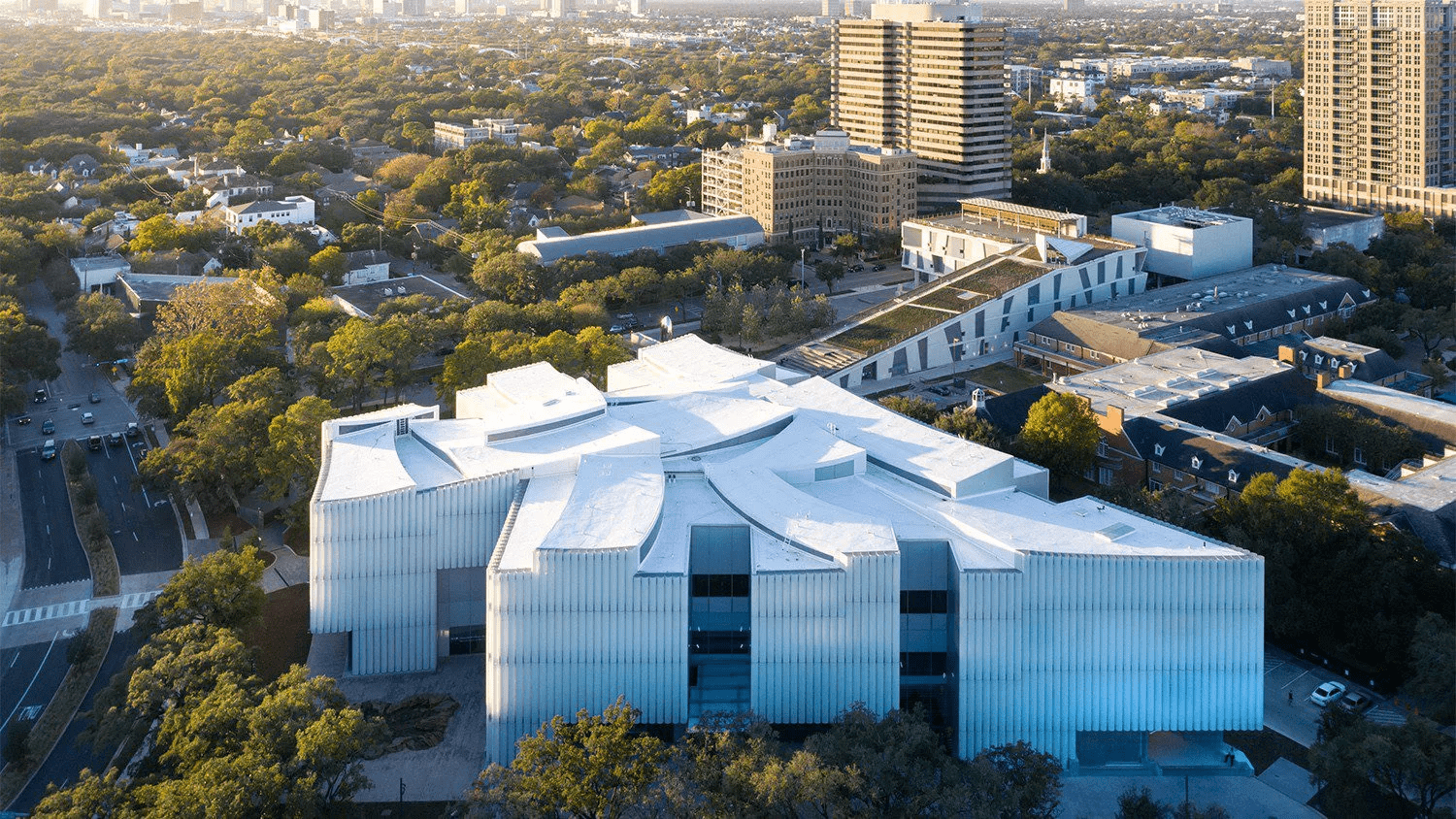
The museum complex covers 28,000 square meters and includes three main buildings housing galleries, a sculpture garden, a visitor center, a large research library, a conservation and storage facility, two art schools, two theaters, a gift shop, and dining options.
Founding History
MFAH, Texas’s oldest art museum, traces its origins back to 1900, when renowned local artist Emma Richardson Cherry proposed establishing such an institution. However, it took 17 years for the city to bring this vision to life. Eventually, a plot of land was chosen, and progress began. The building was designed by Houston architect William Ward Watkin, who selected a Greek neoclassical style with large columns and a grand facade. Construction went full steam ahead, and in 1924, the building was ready to welcome its first visitors. This was a major event for the entire state, as it was the first of its kind in the region, and visitors were plentiful. As the collection grew, the museum opted for expansion, ultimately building separate pavilions instead of extending the original building. Currently, the museum includes three gallery buildings, named after prominent benefactors: Caroline Wiess Law, Audrey Jones Beck, and Nancy and Rich Kinder, who generously donated collections or funded the museum’s development.
In 2020, a major renovation positioned MFAH as the 12th largest museum in the world by gallery space.
Museum Exhibits
The Museum of Fine Arts holds numerous artifacts representing 5,000 years of human history. MFAH presents permanent collections of American art, European painting, pre-Columbian America, and African culture. The exhibits vary widely, ranging from drawings and engravings to decorative arts and contemporary installations. Among the most notable pieces are masterpieces by Rembrandt, such as Portrait of a Young Woman, Rogier van der Weyden’s Madonna and Child, and Sandro Botticelli’s The Adoration of the Christ Child.
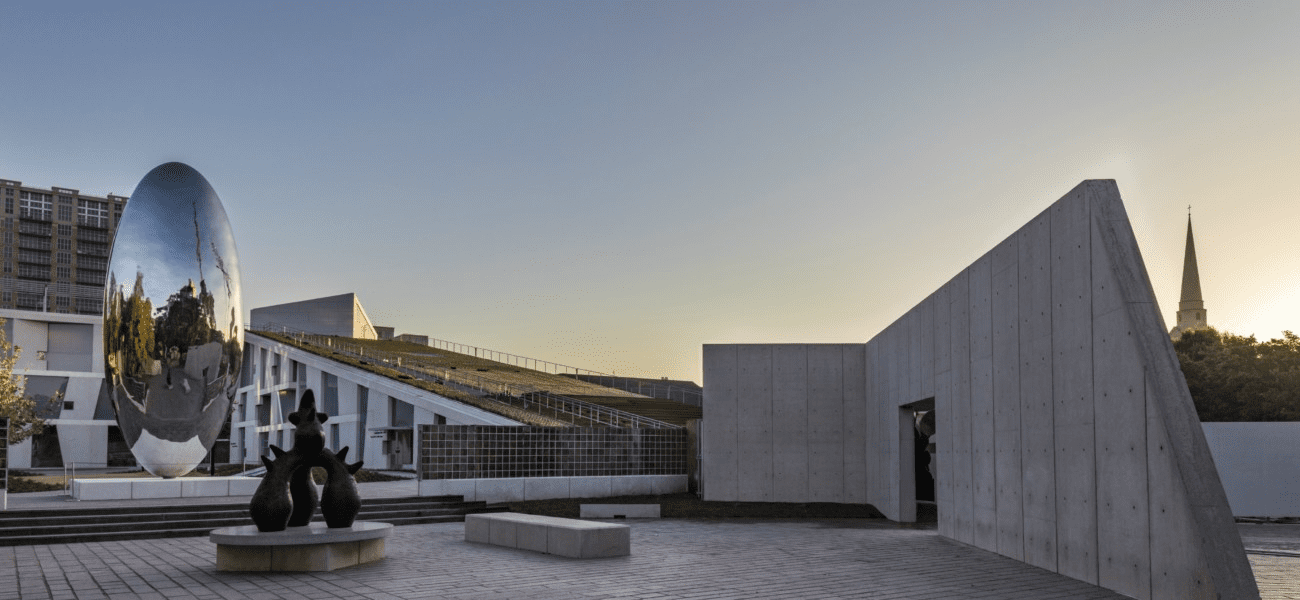
In addition to the galleries, the museum features the Lily and Hugh Roy Cullen Sculpture Garden, designed by renowned artist and landscape architect Isamu Noguchi and opened in 1986. This half-hectare garden showcases over 20 sculptures by celebrated artists. The unique outdoor setting allows nature to blend seamlessly with art, offering art lovers the chance to enjoy the weather while strolling among exquisite sculptures, creating a sense of peace and harmony.