
When people think of tech startups, they immediately picture Silicon Valley. They imagine programmers in hoodies building mobile apps or cloud services. But Houston plays in a completely different league. This city is fueling the rise of Deep Tech, a sector where success is measured not by lines of code, but by the laws of physics, materials science, chemistry, and complex hardware.
For decades, Houston was a classic industrial giant. Its calling cards were refineries, shipping docks, and heavy machinery. Yet, when the city needed a new technological boost, it didn’t build office parks from scratch. Instead, developers and investors turned to old industrial neighborhoods. They began transforming abandoned factories, warehouses, and department stores into cutting-edge laboratories. You can read more about Deep Tech and Houston’s reinvention at houston-future.com.
From Department Store to Innovation Epicenter: The Ion Case Study
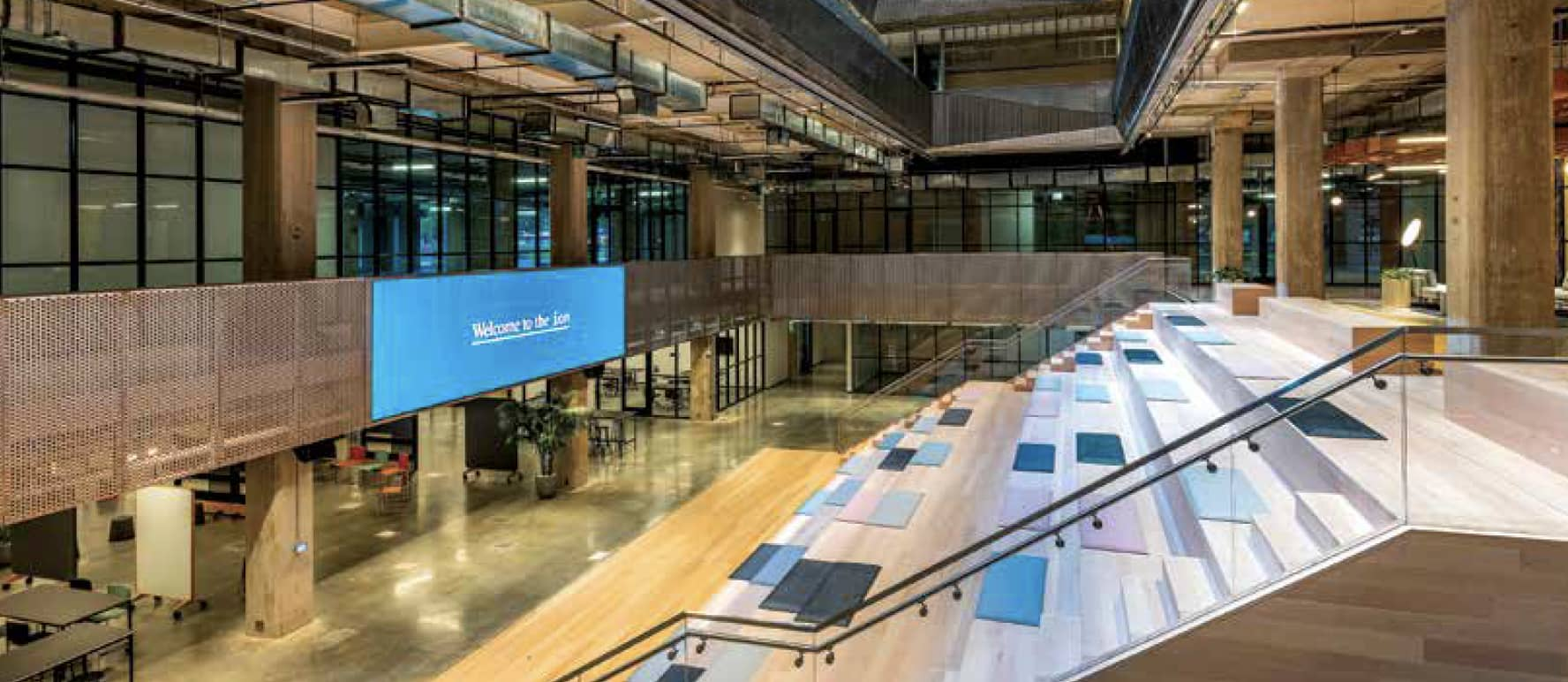
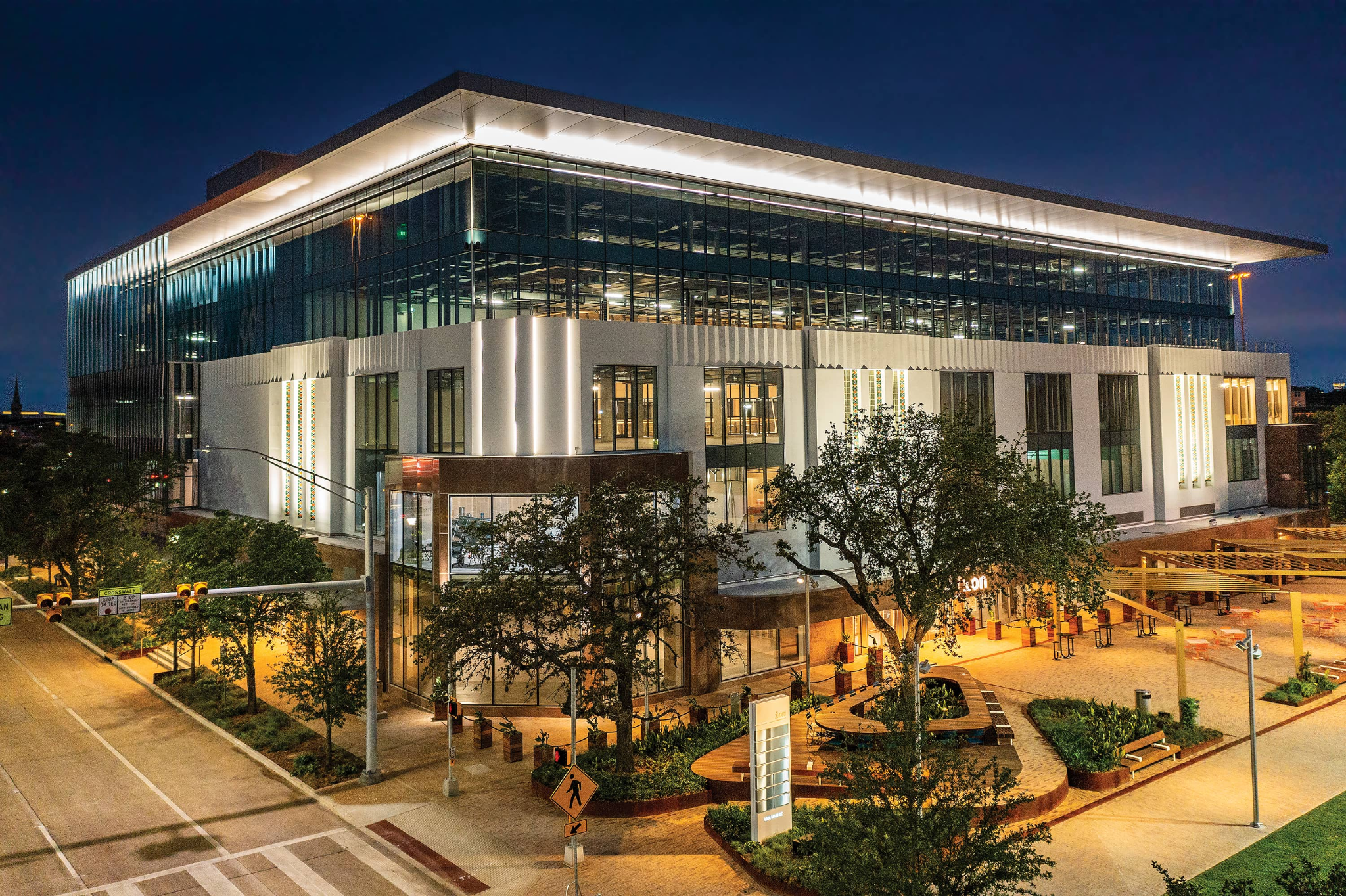
The true symbol of Houston’s new engineering era is the transformation of an iconic, yet abandoned, industrial building in Midtown. Today, it stands as the region’s premier digital hub. We are talking about the massive reconstruction of the former Sears department store. For decades, this monolith served as a prime example of brutalism. Today, it has evolved into the ultramodern tech center, The Ion. This project clearly demonstrated how smart redesign and adaptive reuse can save an old building from demolition by filling it with cutting-edge technology.
Architectural Transformation and the Hub’s Inner Ecosystem
The main challenge for engineers was turning a dark, windowless concrete box into an open, airy space for creativity. To achieve this, architects took a bold and risky step. They literally carved a massive, four-story light atrium right through the center of the monolithic structure. This design choice allowed natural sunlight to flood even the deepest corners of the former retail floor.
Across a massive 28,000 square meters, the creators launched a truly unique infrastructure.
- Specialized prototyping labs. These areas are equipped with advanced industrial-grade 3D printers, laser cutters, and robotics. This allows for the instant creation of physical models for new inventions.
- Internet of Things (IoT) centers. Research zones where engineers develop and test smart sensors. These solutions are designed for manufacturing, the oil and gas sector, and “smart city” management systems.
- Global accelerator programs. Collaborative workspaces bring together representatives of global corporate giants, like Microsoft and Chevron, with ambitious local startups. Here, they work side-by-side and exchange ideas.
- Flexible coworking zones. Spacious and functional halls designed to host hackathons, specialized lectures, scientific conferences, and casual networking among the hub’s residents.
A Bridge Between Code and Industrial Hardware
The arrival of such a facility in Midtown completely reshaped the development logic of the local tech market. The Ion became the powerful magnet that finally bridged the virtual world of pure IT, cloud computing, and artificial intelligence with the real, heavy sector of the Texas economy.
Here, new software code and digital algorithms immediately find practical applications on oil rigs, hydrogen plants, logistics networks, and medical operating rooms. The project proved that creating a successful innovation ecosystem doesn’t require building expensive new districts from scratch. All it takes is repurposing the city’s old industrial heritage, adding some light and bold architectural vision, and gathering the right people under one roof.
East Downtown: Robots and Hydrogen in Former Workshops
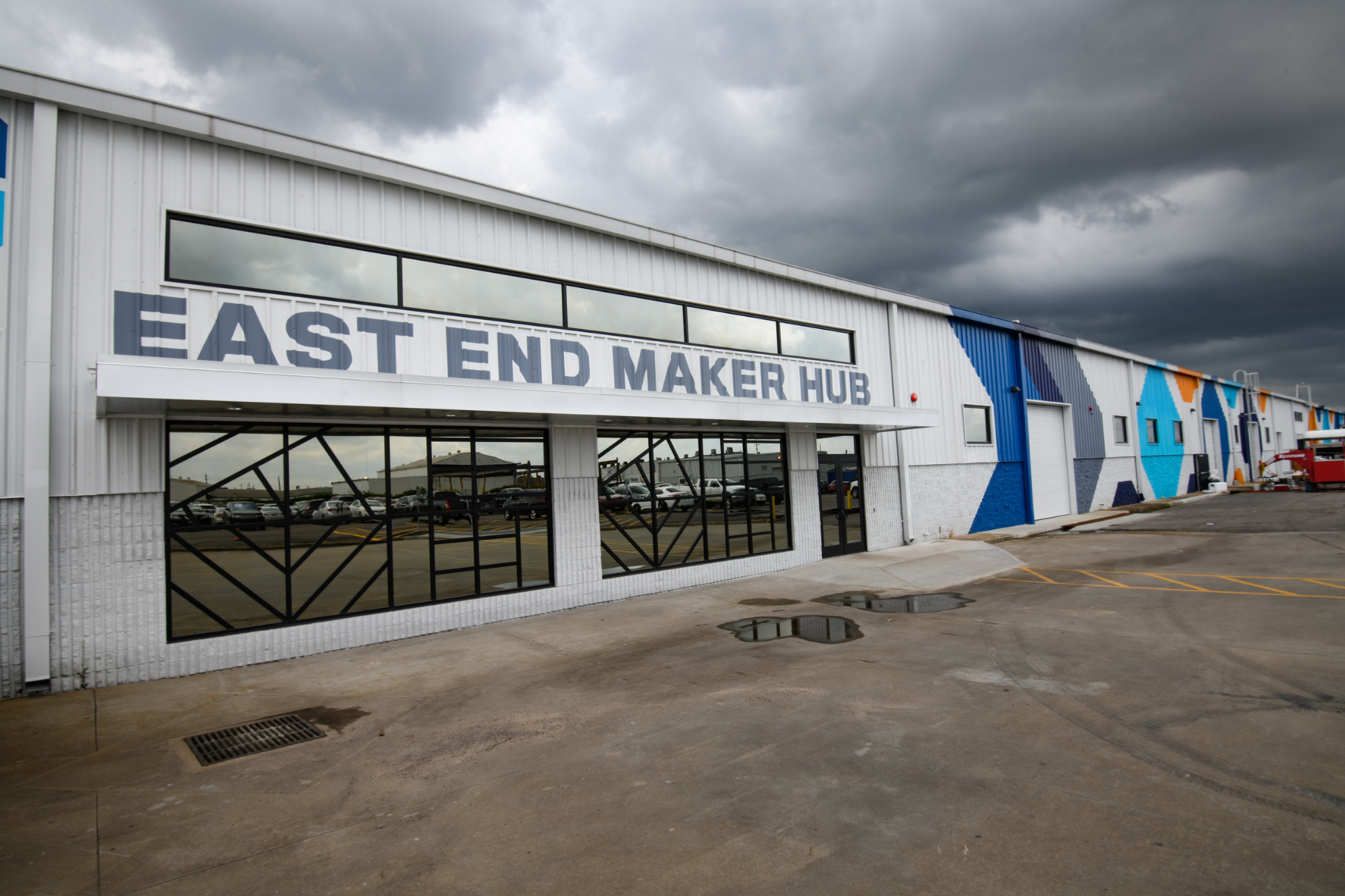
While Midtown gradually transformed into a cultural and corporate hotspot, East Downtown (EaDo) and the neighboring East End fully retained their rugged, authentic industrial character. Only the internal contents have changed. Throughout the 20th century, these areas echoed with the roar of metalworking shops, smoking factories, massive rail depots, and cotton warehouses. Today, these long brick hangars with high ceilings and heavy-duty structural supports are perfectly suited for “heavy” startups that desperately need massive manufacturing spaces.
Redesigning Industrial Heritage for ClimTech Needs
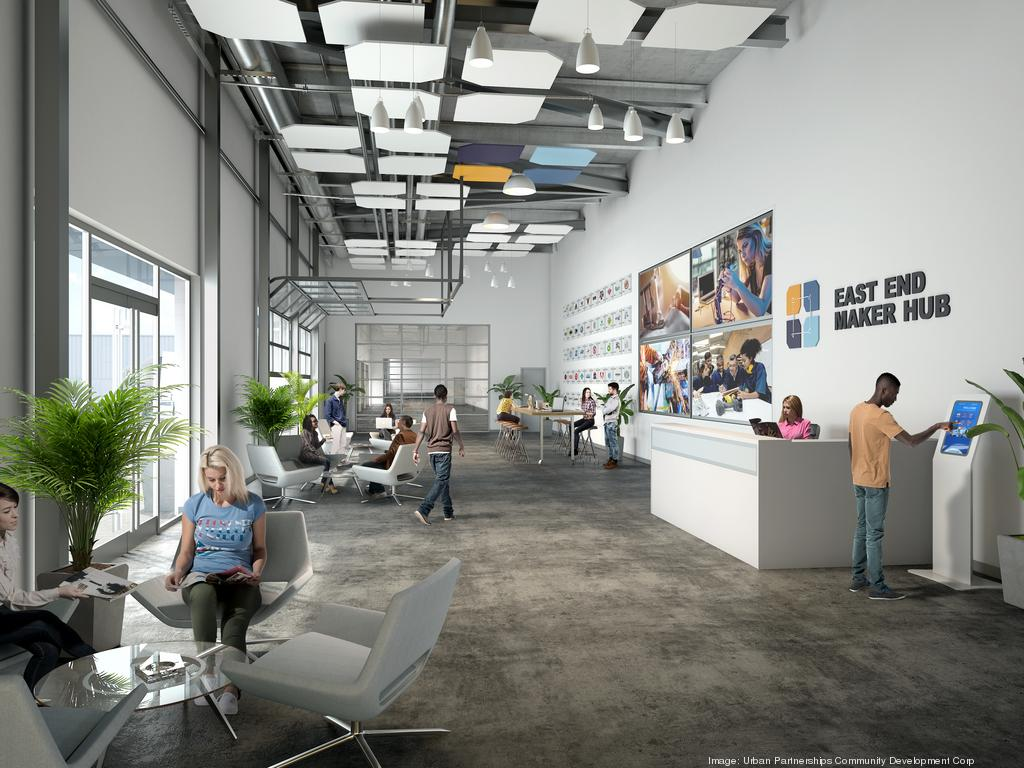
The main venue of this revitalized neighborhood is the massive innovation space known as the East End Maker Hub. It is a giant ecosystem built specifically for industrial designers, robotics engineers, and developers of complex physical hardware.
Right next door is Greentown Labs Houston, the largest climate tech business accelerator in North America. Unlike traditional IT companies, the residents here need much more than cozy desks, laptops, and high-speed internet to get their work done.
The unique demands of developing eco-friendly hardware breathed new life into these old workshops. This was made possible by the distinct architectural and technical advantages of the buildings.
- Heavy-duty concrete floors. The industrial foundations of the old hangars easily support massive machine tools, presses, heavy test benches, and large-scale energy storage systems.
- High-voltage networks. The presence of ready-to-use, high-power three-phase electricity. It once powered smelting and metalworking machinery, but is now essential for testing industrial batteries.
- Robust ventilation systems. High ceilings and advanced exhaust shafts ensure safety during experiments with hydrogen fuel cells and carbon capture technologies.
- Modular open spaces. The ability to easily reconfigure former warehouses into flexible workshops. Here, welding stations can comfortably sit right next to computer modeling zones.
New Energy Within Historic Walls
The neighborhood’s transformation proved that Houston has no intention of giving up its title as the energy capital of the world. The city is simply shifting its focus toward a new, eco-friendly track. Old Texas workshops, which once drove the state’s economy through oil and heavy machinery, have now become the cradle for green hydrogen, decarbonization, and circular economy systems.
This approach allowed the city to preserve its architectural identity and working-class vibe. The historic industrial zones avoided the fate of becoming just another set of faceless residential blocks or shopping malls.
Why Has Houston Become the Ultimate Haven for “Heavy” Startups?
The city’s transformation goes beyond a simple trend for loft spaces. Deep Tech startups have critical, specific needs. Silicon Valley and New York simply cannot meet these demands due to sky-high real estate prices and a sheer lack of physical space.
| Factor | What Houston Gained From Its Industrial Past | Why This is Critical for Deep Tech |
| Ready-Made Infrastructure | Hangars, high ceilings, and pre-installed industrial-grade electrical grids. | Allows companies to install machine tools, chemical reactors, and test benches without major structural rebuilding. |
| Access to B2B Clients | Headquarters of the world’s largest energy, logistics, and aerospace companies. | Startups don’t have to search for buyers across the country. The clients for their technologies are literally down the street. |
| Specialized Human Capital | An army of engineers who understand thermodynamics, hydraulics, metallurgy, and large-scale operations. | Building new physical hardware or a fuel cell is much harder than coding a mobile app. It requires professionals with classical engineering backgrounds. |
Houston clearly demonstrates a new urbanism trend. Instead of gentrification that completely erases the working-class and industrial history of its neighborhoods, the city opts for “technological conversion.”
Old walls are getting a new lease on life. The oil that once built this region is now funding the development of the technologies that will eventually replace it. For young companies striving to change the physical world—from renewable energy to aerospace engineering—Houston’s industrial zones have become the perfect launchpad for scaling up.

