
Ask the average American what springs to mind when they think of Texas, and you will get a predictable answer: steering-wheel-sized steaks, endless pastures dotted with cattle, and oil derricks. Yet in Houston—a city famous for solving problems of cosmic proportions—that stereotype is quietly being rewritten.
While the blazing Texas summer sun bakes traditional fields and recurrent storms from the Gulf of Mexico disrupt supply chains, a quiet revolution is taking shape across Houston’s suburbs and industrial corridors. Vertical farms are sprouting in place of open soil and sun-scorched labor, growing greens without dirt, while foodtech startups teach robots to tend strawberries. We dive into this technological breakthrough below on houston-future.com.
Climate Roulette: Why Houston Turned to Vertical Farming
The reason the world’s energy capital suddenly developed an appetite for hydroponics, robotic arms, and purple LEDs has nothing to do with hipster microgreen fads. For Houston, it is a hard-nosed matter of survival and fundamental food security.
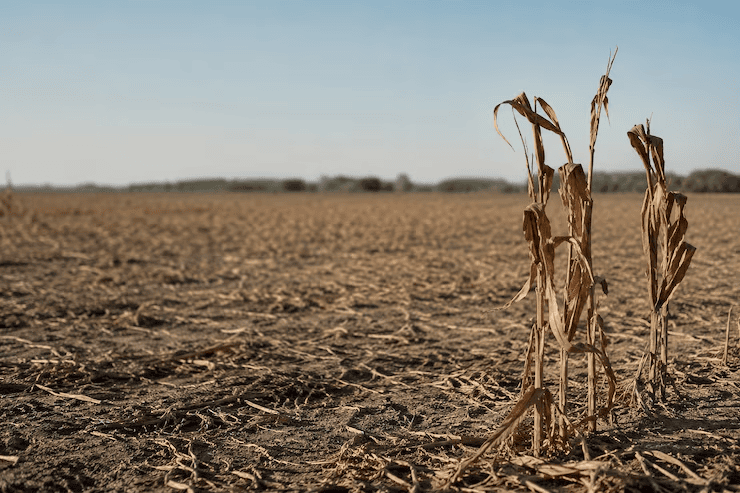
Traditional farming in South Texas has become a high-stakes rodeo against unpredictable weather. Houston once relied on long-haul freight to paper over supply shortages, but today the city’s skyline and surrounding suburbs are opting to grow their food right within city limits—just vertically.
Weather Extremes vs. Traditional Farming
Local agronomists realized early on that open-field agriculture along the Gulf Coast is far from a safe investment bet.
- Brutal Summer Heat (+100 °F / +38…+40 °C in the shade)
Prolonged Texas heat turns conventional fields into baking ovens. Tomatoes, lettuce, and tender greens wither on the vine before harvesters can even roll into the fields. - Hurricanes, Downpours, and Supply-Chain Breakdowns
Severe tropical storms and chronic flooding transform traditional South Texas farms into open lakes. At the same time, road washouts cut off fresh produce shipments from California or Mexico, clearing grocery shelves overnight. - Industrial Recycling: Warehouses Over Farmland
Houston has a massive inventory of empty industrial warehouses, defunct logistics hubs, and decommissioned oil storage yards. Outfitting these facilities with multi-tier vertical racks and sealed climate control proved far cheaper and more practical than buying and farming thousands of unpredictable acres outside town.
By moving delicate crops into sealed high-rise modules, Houston borrowed a page from its energy playbook: total engineering insulation from the elements. While another tropical storm batters the Gulf Coast or asphalt softens in the heat, fresh produce grows on schedule inside a former oil warehouse under energy-efficient LEDs.
Inside the Foodtech Hub: How Houston’s Farm of the Future Operates
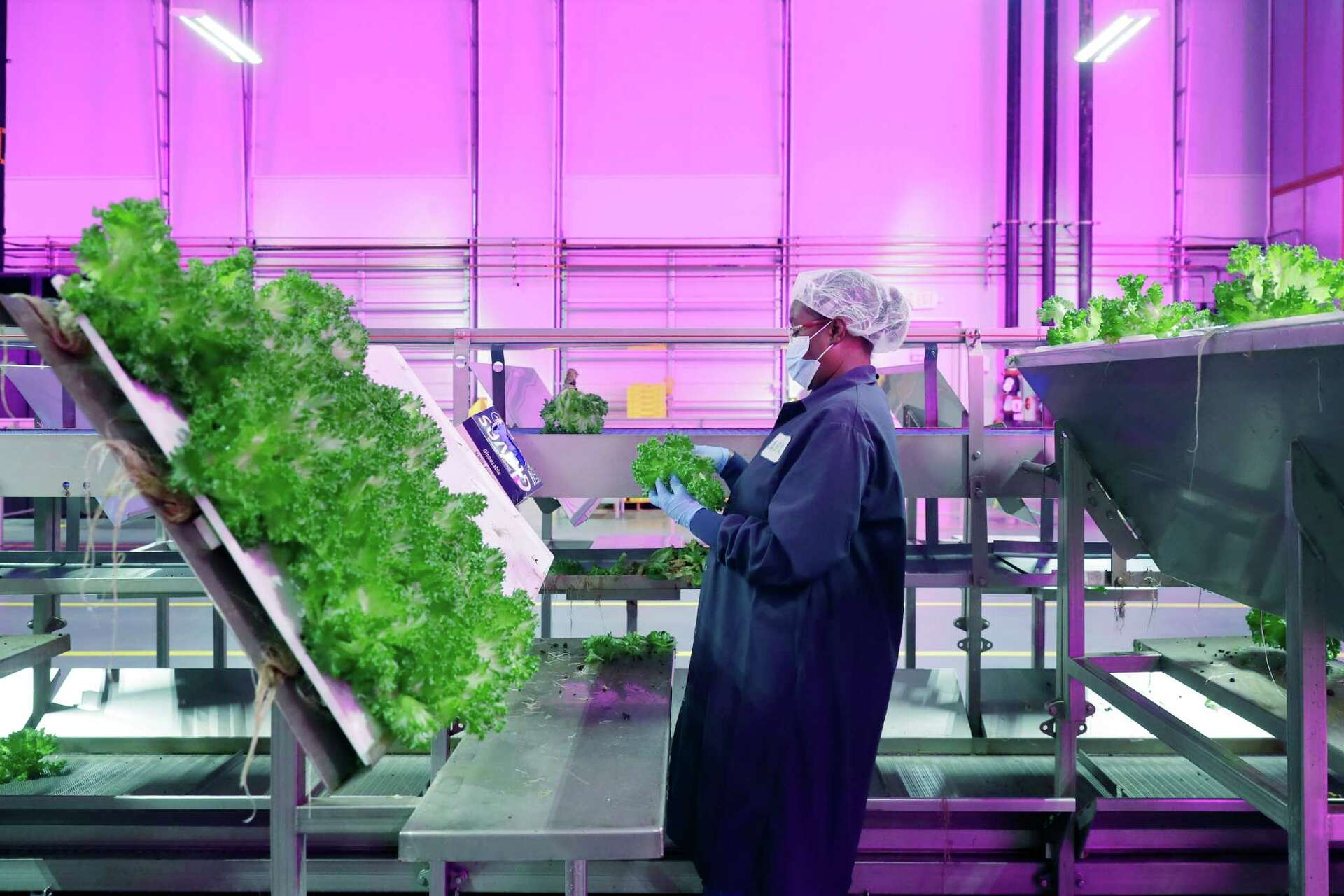
A modern vertical farm in Houston looks far more like a cleanroom for semiconductor manufacturing or a module of an orbital station than a traditional field of dirt, tractors, and fertilizer. There is no soil or mud here. Instead of straw-hatted field hands, engineers in lab coats monitor crop beds with tablets in hand.
- Pink Photons in Place of Sunlight
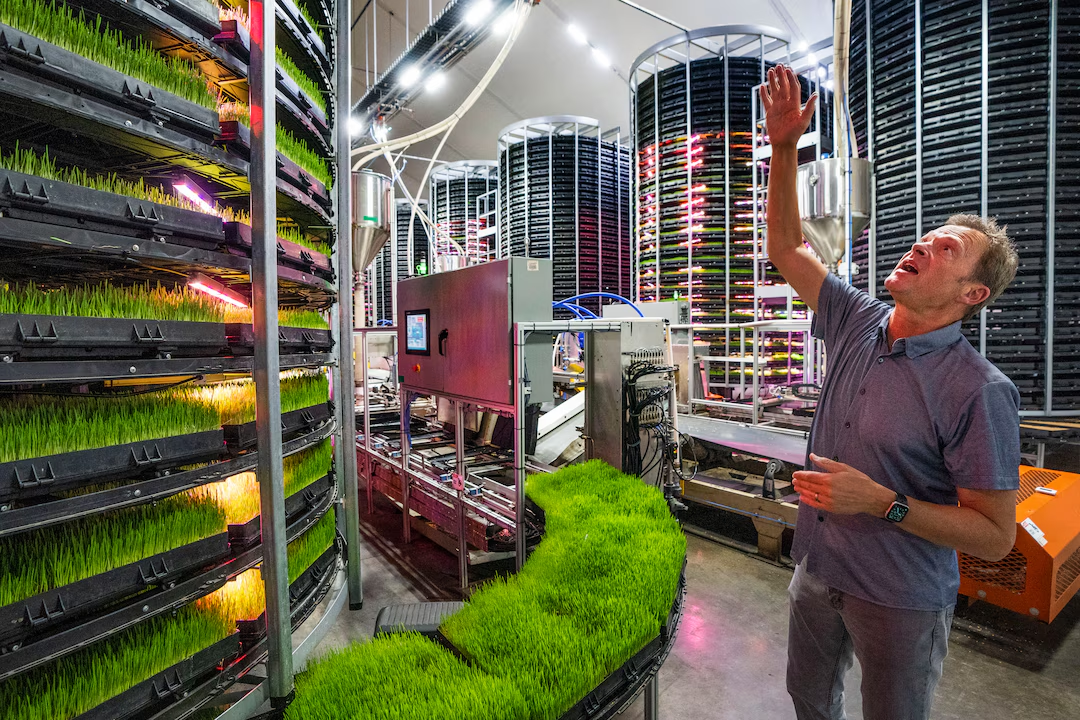
Instead of relying on fickle weather, plants receive a fine-tuned LED spectrum. The heavy mix of blue and red wavelengths casts a vivid glow that makes the facility look like a neon cyberpunk film set. Artificial intelligence calibrates the exact wavelength and photoperiod in real time for every variety of lettuce or basil. This supercharges photosynthesis, allowing crops to mature two to three times faster than in nature.
- Nutrient Mist and Near-Total Water Conservation
Rather than pouring fresh water onto parched topsoil where most of it evaporates, Houston’s ag-engineers closed the water loop. Roots do not seek moisture in soil; they either hang in the air, enveloped by an ultra-fine nutrient mist, or bathe in a recirculating mineral solution. Water transpired by the plants is captured by industrial dehumidifiers, filtered, and fed right back into the cycle.
- Robotic Care and AI Diagnostics
Human labor is largely reduced to algorithm supervision. Robotic arms shift tiered seedling trays as plants mature, automated systems measure nitrogen, potassium, and phosphorus down to the milligram, and multispectral AI cameras scan every leaf. Algorithms catch growth anomalies and microscopic yellowing long before the human eye ever could.
- Pragmatic Math: Controlled Modules vs. Open Fields
When you contrast this high-tech setup with conventional farming, the gap is striking. Agriculture in the South has increasingly become a gamble where simply surviving heat waves and tropical depressions feels like a win. A direct comparison shows why closed environments with artificial microclimates leave open-field operations far behind:
| Comparison Metric | Conventional Texas Open Field | Houston Vertical Agro-Facility |
| Seasonality & Consistency | 1–2 harvests a year, with perpetual risks from droughts, hail, or late freezes. | Non-stop conveyor 365 days a year, unaffected by weather swings. |
| Water Consumption | 100% baseline (vast amounts lost immediately to surface evaporation). | Roughly 5% (fully closed-loop recycling and condensate capture). |
| Pest Control & Chemicals | Heavy reliance on synthetic pesticides, insecticides, and herbicides. | Zero chemical treatments needed thanks to an airtight, sterile environment. |
| Supply Chain (“Last Mile”) | Hundreds or thousands of refrigerated transit miles from other states or countries. | Just a few miles from an urban warehouse to local supermarket shelves. |
This technological divide tells the whole story. When a region builds infrastructure that guarantees stable, resilient production insulated from outside chaos, choosing high technology is no longer an environmental statement—it is simple economic sense.
The Reality Check: The Financial Realities of Foodtech
Talk of “complete green autonomy” and self-sustaining cities sounds compelling—until the utility bills arrive. Houston’s foodtech sector faces a swift reality check when confronted with Texas ledger economics, where every kilowatt-hour and every capital dollar must pay for itself.
- The Power Bill: A Neon Shock on the Ledger
High-density LED arrays mimicking sunlight and industrial HVAC systems running around the clock to strip moisture and hold a crisp 72 °F (22 °C) guzzle immense amounts of power. Until a facility connects directly to its own solar or geothermal generation, its green credentials and bottom line remain under pressure, especially with commercial electric bills arriving like clockwork. - Culinary Limits: Leafy Greens vs. Calories
Vertical racks excel at high-margin crops with rapid turnover: arugula, basil, cilantro, spinach, and gourmet microgreens. But growing staple calorie crops like wheat, potatoes, soy, or corn under artificial light remains commercially unviable: the power cost per calorie would instantly collapse the business model. - Capital Intensity: The Price per Square Foot
Building an advanced vertical farm complete with sensors, robotic shuttles, HEPA filtration, and AI software can run into thousands of dollars per square meter. For traditional investors accustomed to buying broad acreage at low land valuations, the upfront capex still feels like an adventurous venture bet.
Houston’s foodtech ecosystem has proved its engineering viability, but it is now navigating a crucial maturation phase. To graduate from an impressive technical showcase into a cornerstone industry, it must solve one central challenge: competing on unit economics against free sunshine and rain.
The Future of Houston’s Autonomous Food Ecosystem
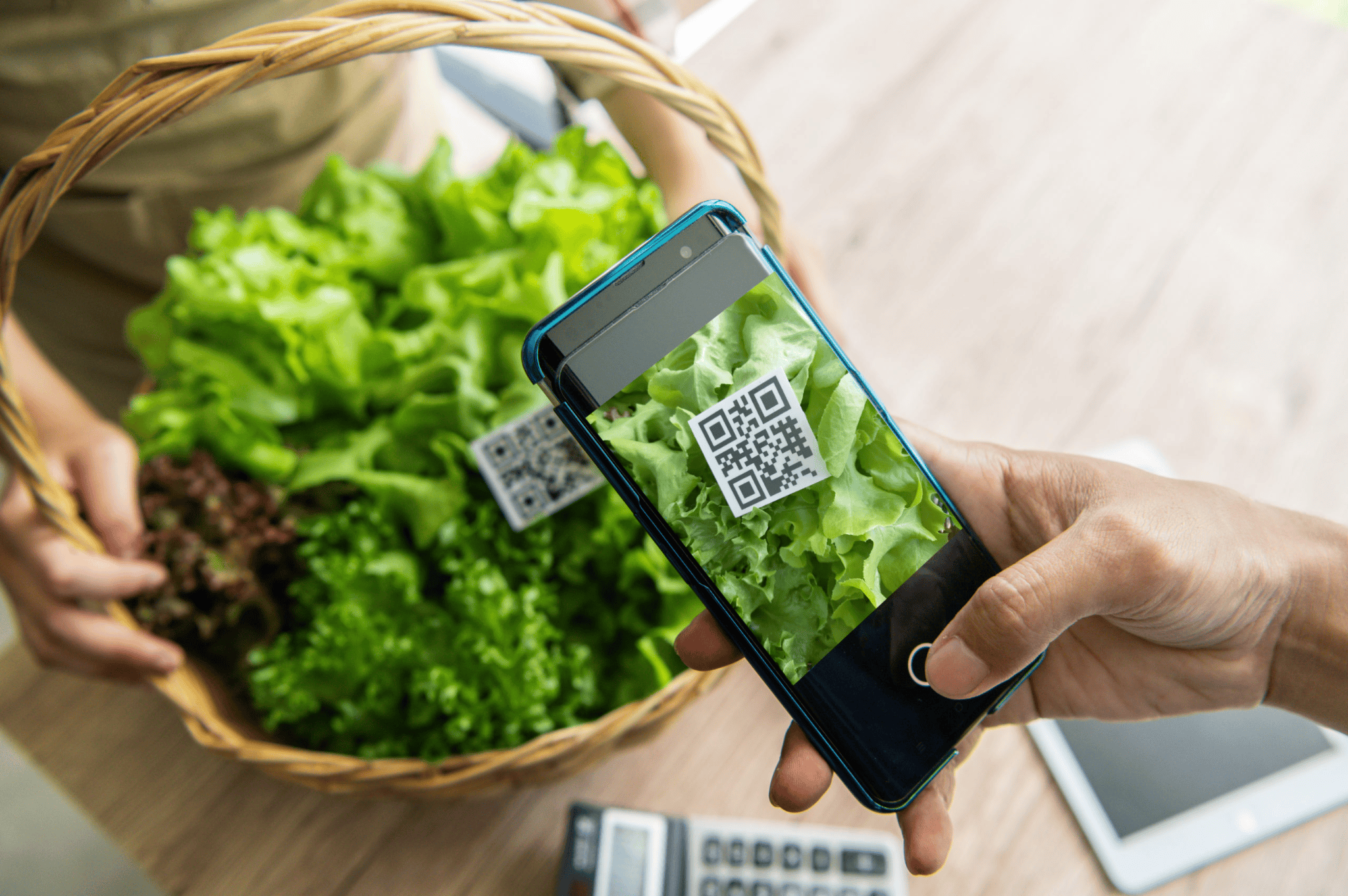
Despite the headwinds, Houston is charting a steady path toward a resilient urban food system. Vertical farms are tying into local innovation hubs like The Ion and Texas Medical Center accelerators. That synergy is already unlocking personalized nutrition, such as cultivating microelement-enriched greens tailored to clinical diets.
Houston’s experience proves that tomorrow’s urban agriculture is not about replacing traditional farms—it is about erecting a dependable buffer against supply shocks. While open fields remain at the mercy of Gulf weather, Houston’s neon-lit warehouses guarantee crisp produce on grocery shelves, rain or shine.

