

Streets, much like people, are unique in their characteristics. They may share names, yet each carries its own distinct identity. Some streets around the world set fascinating records: the longest stretches over 48,000 kilometers, while the shortest spans just 2 meters. There’s a street in the UK only 60 cm wide, and a road in Giza that dates back 3,500 years, leading to the pyramids. Today, we’re talking about the names of Houston’s streets. Read on at houston-future.
The Unique Character of Houston’s Avenues
Each street is unique, yet they share a common style that distinguishes them while uniting them within one city, creating a collective identity. Streets in Italy, for example, are lively and bustling, in Ireland they’re lined with peaceful green landscapes, while Taiwan’s are often congested and crowded. In Houston, streets are defined by urban dynamism, constant movement, and harmonious oases of green spaces and cool retreats. Here, business districts blend seamlessly with boulevards, shopping neighborhoods are bordered by quiet alleys and parks, and lush, green spaces offer moments of respite. The street names vary — some are quirky, amusing, or melodious, while others honor individuals who contributed to the region’s development. Here’s a look at some notable Houston streets named after distinguished figures.
Allen Parkway
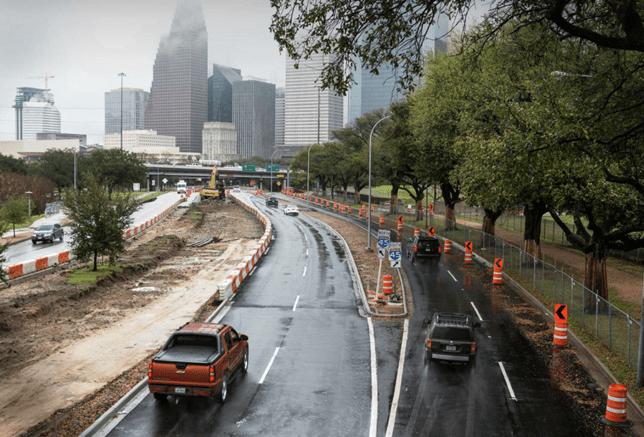
One of Houston’s most famous streets, Allen Parkway, is named after one of the city’s founders, John Kirby Allen. A self-reliant individual from a young age, John took an arduous path, sometimes skirting the law, but as an adult, he and his brother purchased nearly 7,000 acres on which they founded the city of Houston. Although he only lived two years in the newly established city before passing from malaria in 1838, his contribution to Houston was commemorated in the street name. Initially called Buffalo due to its proximity to the river of the same name, the street was later renamed. Extending almost 4 kilometers, Allen Parkway features side streets, entryways, and exits that form a complex system of ramps, which locals affectionately call the “spaghetti bowl.” The parkway is one of Houston’s most picturesque streets, known for scenic views and neighboring parks. The most popular park along the route is Buffalo Bayou, a venue for walking trails, picnics, and cycling, and it even offers kayaking opportunities on the renowned river.
Kirby Drive
Kirby Drive honors John Henry Kirby, a prominent political figure, businessman, lawyer, and philanthropist who made significant contributions to Houston and Texas. A young man with a law degree, Kirby quickly established himself as a successful attorney, but his ambitions extended further. In the early 20th century, he founded a company in the lumber industry, eventually becoming a leader in that sector. Despite his wealth and success, Kirby remained committed to Texas’s development, supporting charitable, educational, and cultural projects, and co-founding Houston’s Museum of Fine Arts. Politically active, he once ran for Texas governor, though he was not elected. During the Great Depression, he lost much of his fortune.
Named in his honor, Kirby Drive stretches 16 kilometers, serving as a business center with many offices and commercial spaces. Notable attractions include Rice Village, a popular area with restaurants, shops, and entertainment spots. The street is also home to Rice University, one of the country’s top research universities, and nearby is a city park housing museums, a zoo, and a botanical garden. Kirby Drive is also known for NRG Stadium, home to Houston’s sports teams.
Westheimer Road
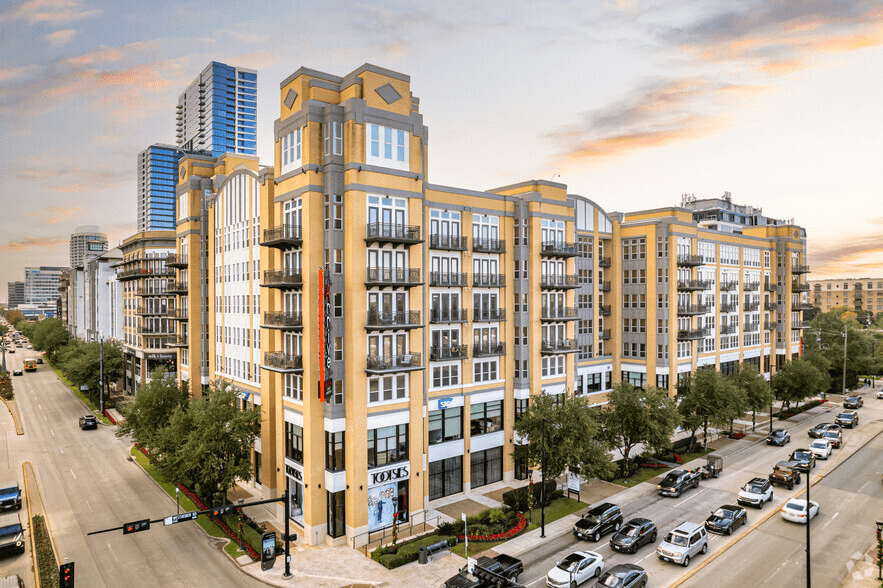
Another prominent street honoring local influencers is Westheimer Road, named after German immigrant Michael Louis Westheimer, who moved to Houston in 1856. Purchasing a plot of land near the city, he established Westheimer Plantation, built a large mill, and became a leading flour producer in the area. As his success grew, he funded schools and other public initiatives, eventually founding his own school on his estate. This school provided free education for the children of his employees, many of whom couldn’t otherwise afford schooling. According to Houston Chronicle archives, locals who commuted called the route “the road to Westheimer’s house,” a name that was eventually made official.
Stretching 30 kilometers, Westheimer Road is home to some of Houston’s most popular destinations, including The Galleria shopping district, which boasts over 400 stores, cafes, restaurants, and entertainment venues. Those interested in arts and culture should visit Montrose, a section of the city known for its art galleries and museums.
Stella Link Road
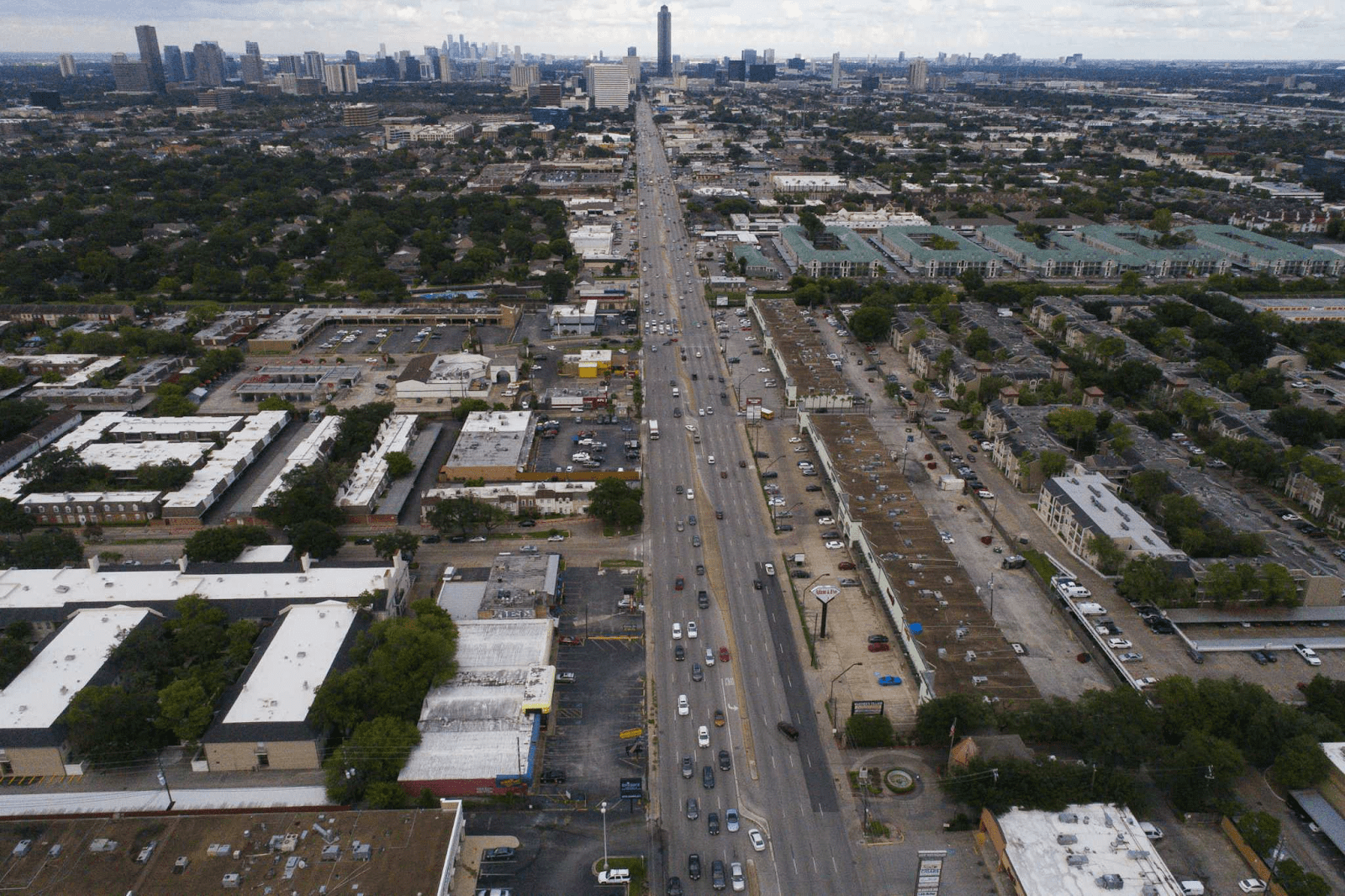
Stella Link is another Houston street named in honor of prominent and generous city philanthropists. However, unlike other streets, this one is named after Stella, the wife of George Link, a local landowner and developer instrumental in Houston’s growth. As legend has it, George Link himself promoted the idea of naming the street after his wife to honor her contributions.
Stella Link is characterized by tranquility and greenery, with two large parks along the street offering picnic areas, recreational spaces, fountains, and plenty of trees.
Milam Street and Fannin Street
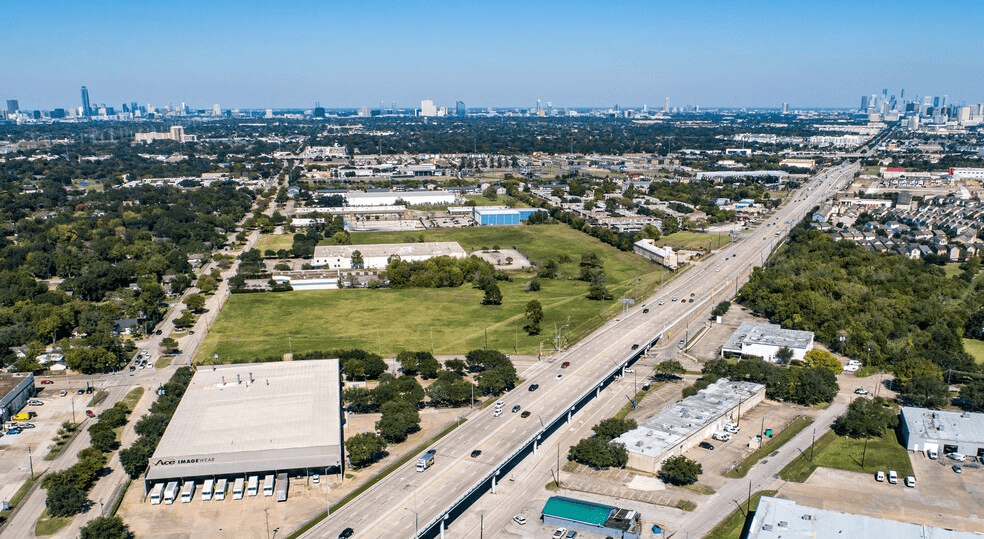
Both of these streets are named after heroes of the Texas Revolution. Running through downtown, they are critical transport arteries for Houston. Fannin Street, in particular, is home to medical institutions, including the Texas Medical Center, one of the world’s largest healthcare complexes.
Louisiana Street
Not only prominent figures have the honor of having streets named after them; one of Houston’s streets bears the name of neighboring Louisiana in recognition of the state’s support for Texas in its fight for independence. Though relatively short at 4 kilometers, Louisiana Street runs through downtown and features notable landmarks, including the JPMorgan Chase Tower, the tallest skyscraper in Houston and Texas, with an observation deck offering panoramic views of the city. Louisiana Street is also home to the Houston Public Library’s main branch, Discovery Green, a large urban park where parties, concerts, and exhibitions take place, and is near the city’s main theaters, including Alley Theatre and Jones Hall. Parades and festivals are also frequently held along this street.